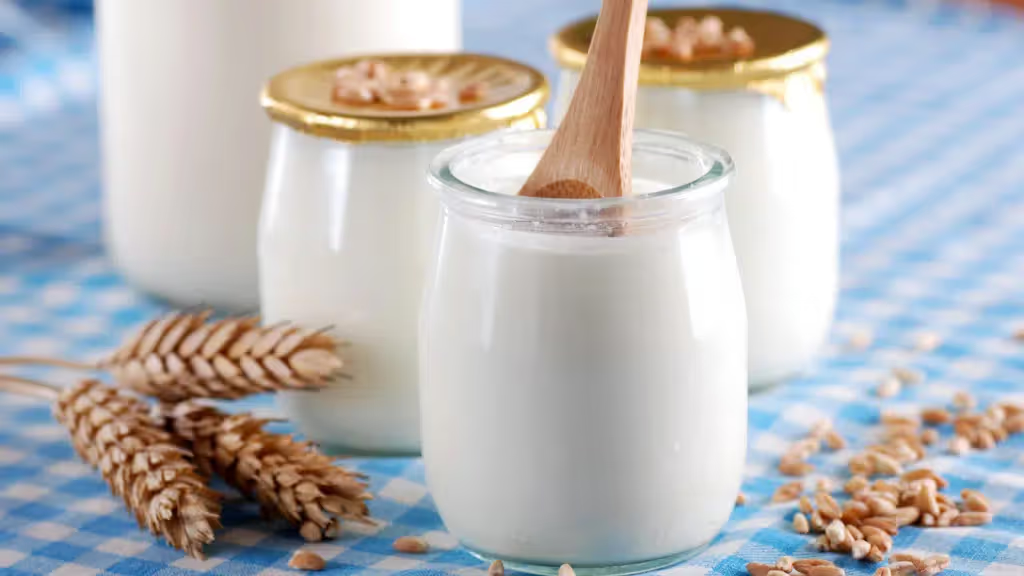
As an IBS dietitian (and someone who lives with IBS myself), I'm all for making food choices easier, not more complicated. So, here are 10 great supermarket finds (and a couple of bonus finds) that can make following a low FODMAP diet a little easier, without sacrificing flavour, convenience or enjoyment.
Low FODMAP snacks and treats
Because having IBS doesn't mean you have to give up chocolate, biscuits or ice cream!
1. Table of Plenty Dark Chocolate Rice Cakes
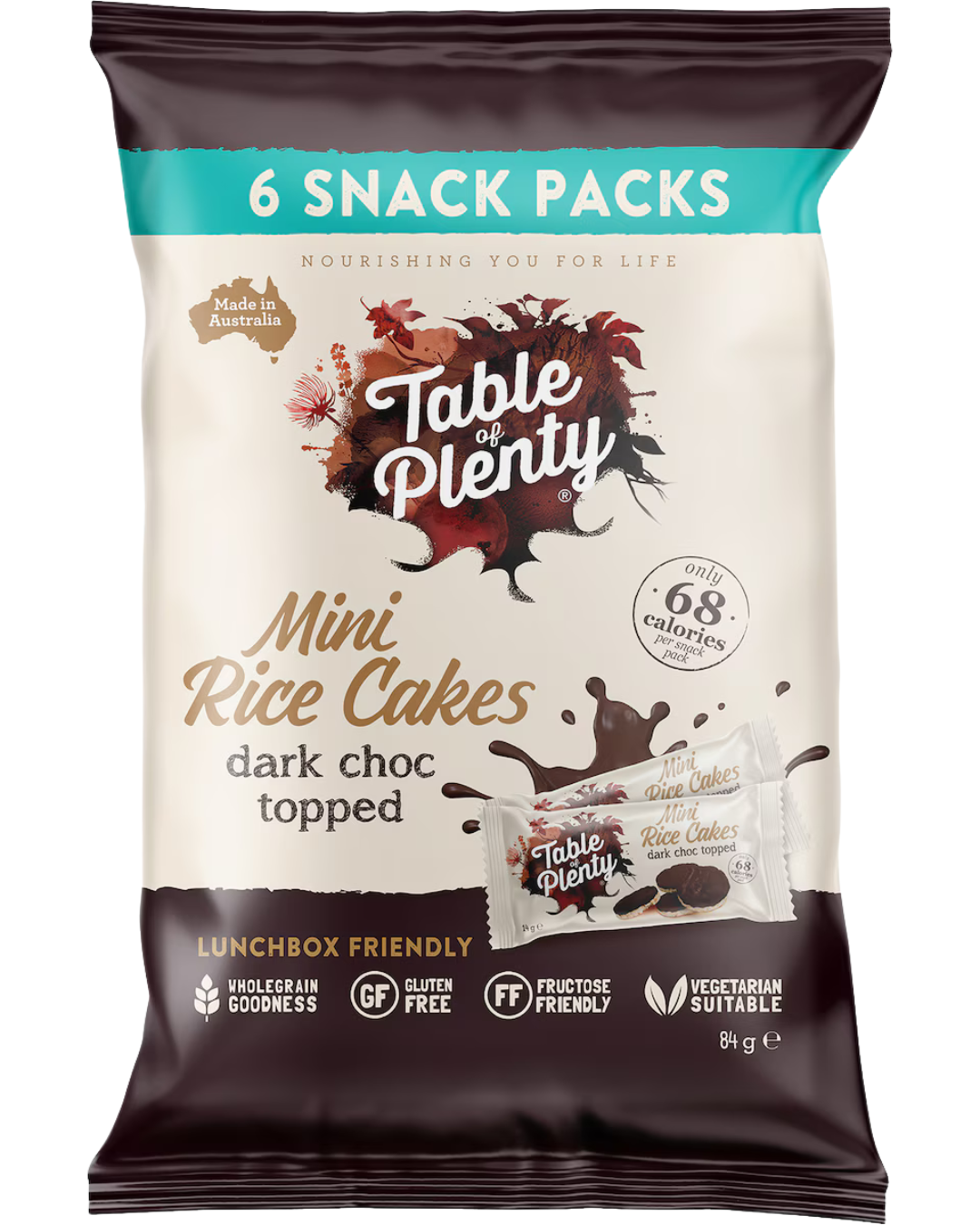
Sometimes you just want something crunchy and chocolatey without having to prepare anything. These chocolate-coated rice cakes combine a crispy rice cake with a layer of dark chocolate. They're convenient for an afternoon snack, a lunchbox treat or something sweet after dinner.
Why I like them: Sometimes you just want something chocolatey and crunchy without needing to make it yourself.
2. FODMAPPED for You Chocolate Maple Bars (FODMAP certified)
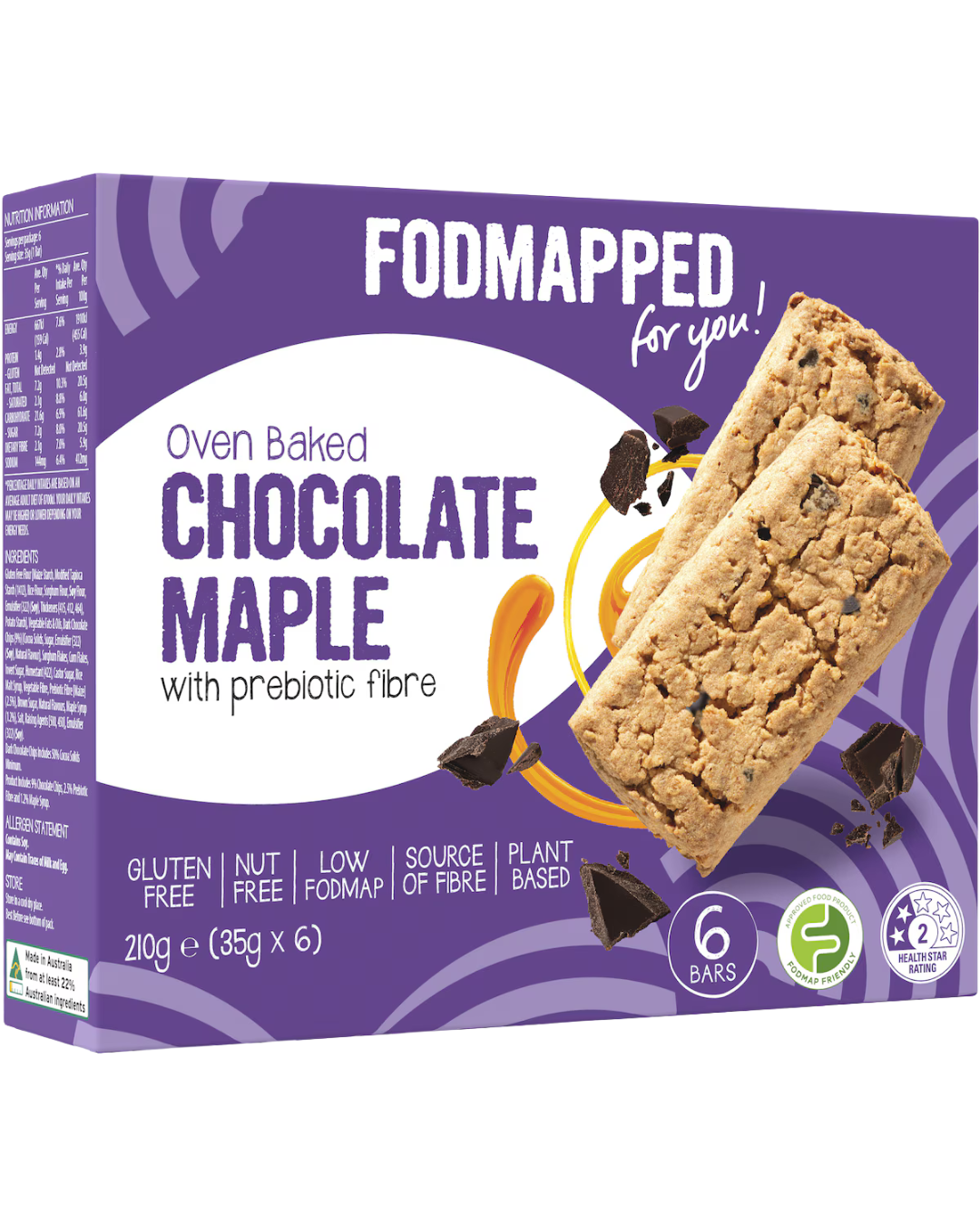
Finding a convenient snack bar can be surprisingly challenging when you're following a low FODMAP diet. Many snack bars contain ingredients such as inulin, chicory root fibre or sugar alcohols (e.g. isomalt, maltilol) which can contribute significant amounts of FODMAPs.
The FODMAPPED for You Chocolate Maple Bars were developed specifically with low FODMAP eating in mind, making them a handy option for busy days.
Why I like them: They're low FODMAP certified, so there's no second-guessing ingredient lists or wondering whether they're suitable. One less thing to think about when you're out and about.
3. Munch me Pumpkin Seed Snacks
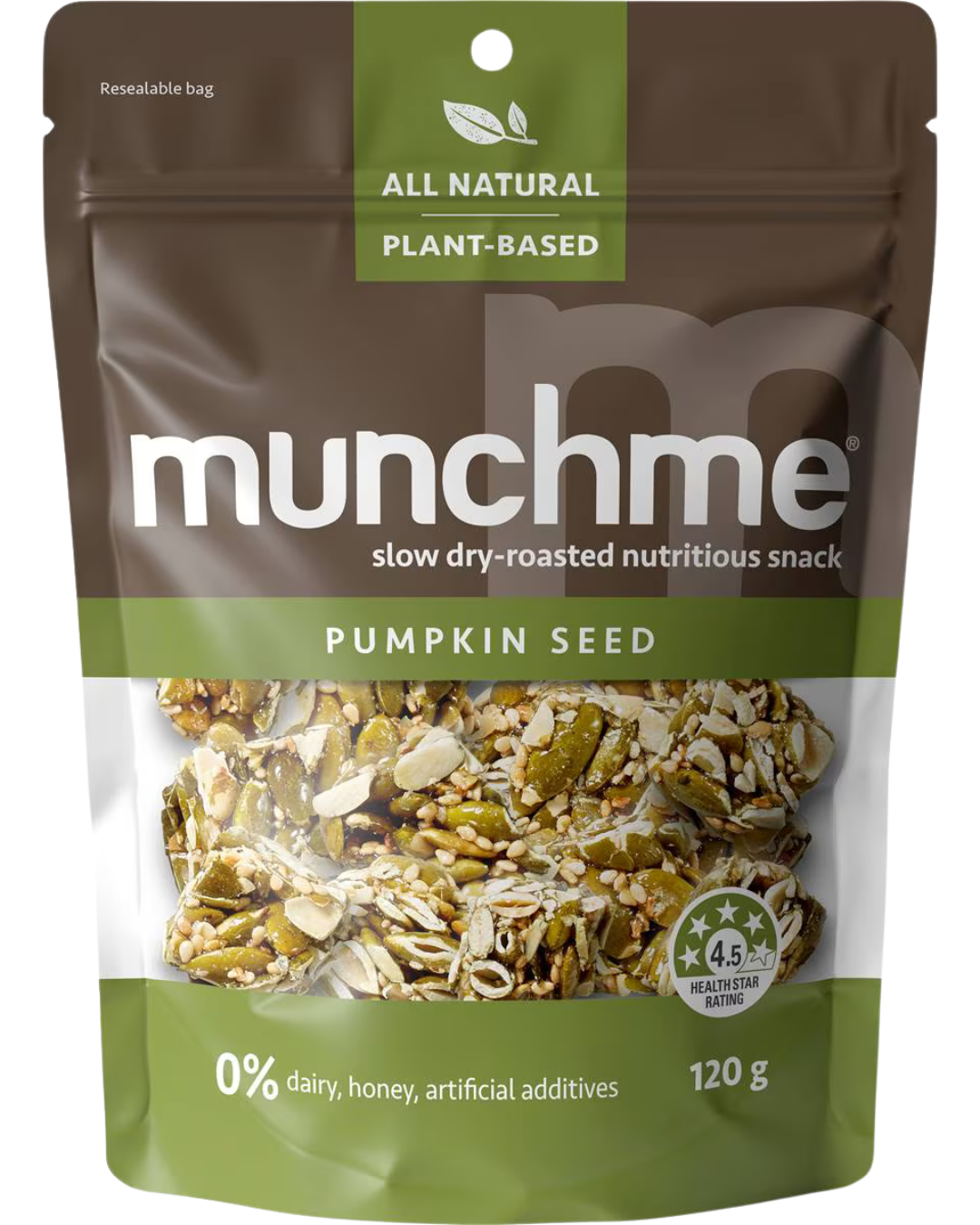
Looking for something crunchy that's not another rice cake? Munchme Pumpkin Seed Snacks are little clusters of roasted pumpkin seeds and sesame seeds, held together with a touch of sweetness. They're a convenient option when you're after something crunchy and satisfying, with 6 g of protein and 1.4g of fibre per 20 g serve.
Why I like them: They're a tasty way to add some extra protein, fibre and healthy fats to your day. And I love that they're made with just a handful of ingredients.
4. Kez's Kitchen Melting Moments (FODMAP certified)
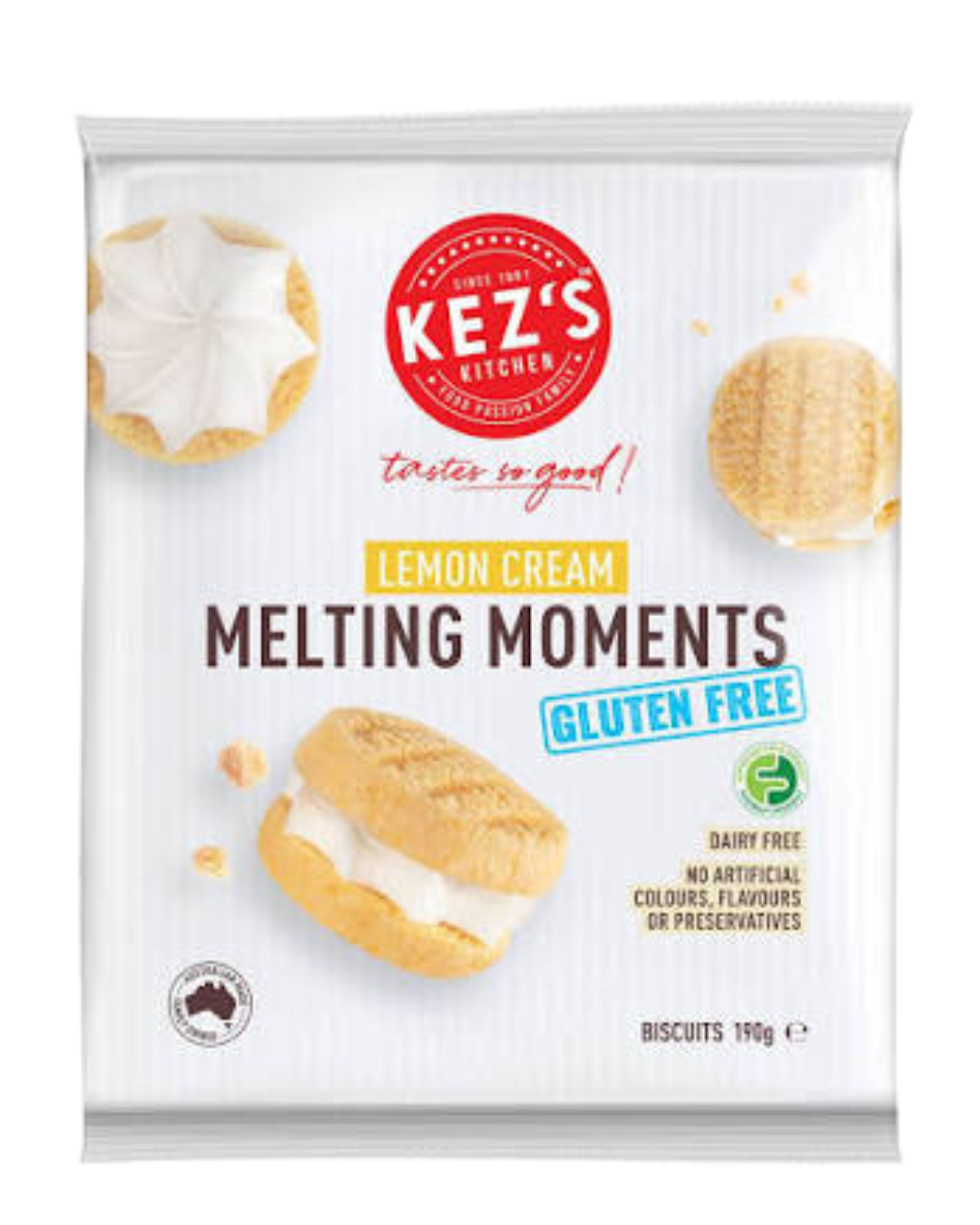
Kez's Kitchen Melting Moments add a touch of luxury when youre after something a bit indulgent with your after dinner cuppa. It's a good to reminder that we eat differnt foods for different reasons and pleasure is a valid reason to eat too. Foods doesn't have to be packed with fibre, protein or vitamins to deserve a place in your diet. Sometimes we eat something simply because we enjoy it.
5. Weis Raspberry & Coconut Frozen Dessert Bars

Who says following a low FODMAP diet means missing out on ice cream? These Weis bars combine tangy raspberry with creamy coconut for a delicious frozen treat. They're dairy-free, gluten-free and made with real fruit.
Why I like them: They're refreshing, fruity and creamy, and perfect for a hot summer afternoon. Proof that a low FODMAP treat can still feel like atreat.
Low FODMAP sauces, seasonings and cooking essentials
One of the biggest complaints I hear about the low FODMAP diet is that food becomes boring.
But it doesn't have to be! These supermarket finds can help bring flavour back to your cooking without spending hours making everything from scratch.
6. Ayam Teriyaki Sauce
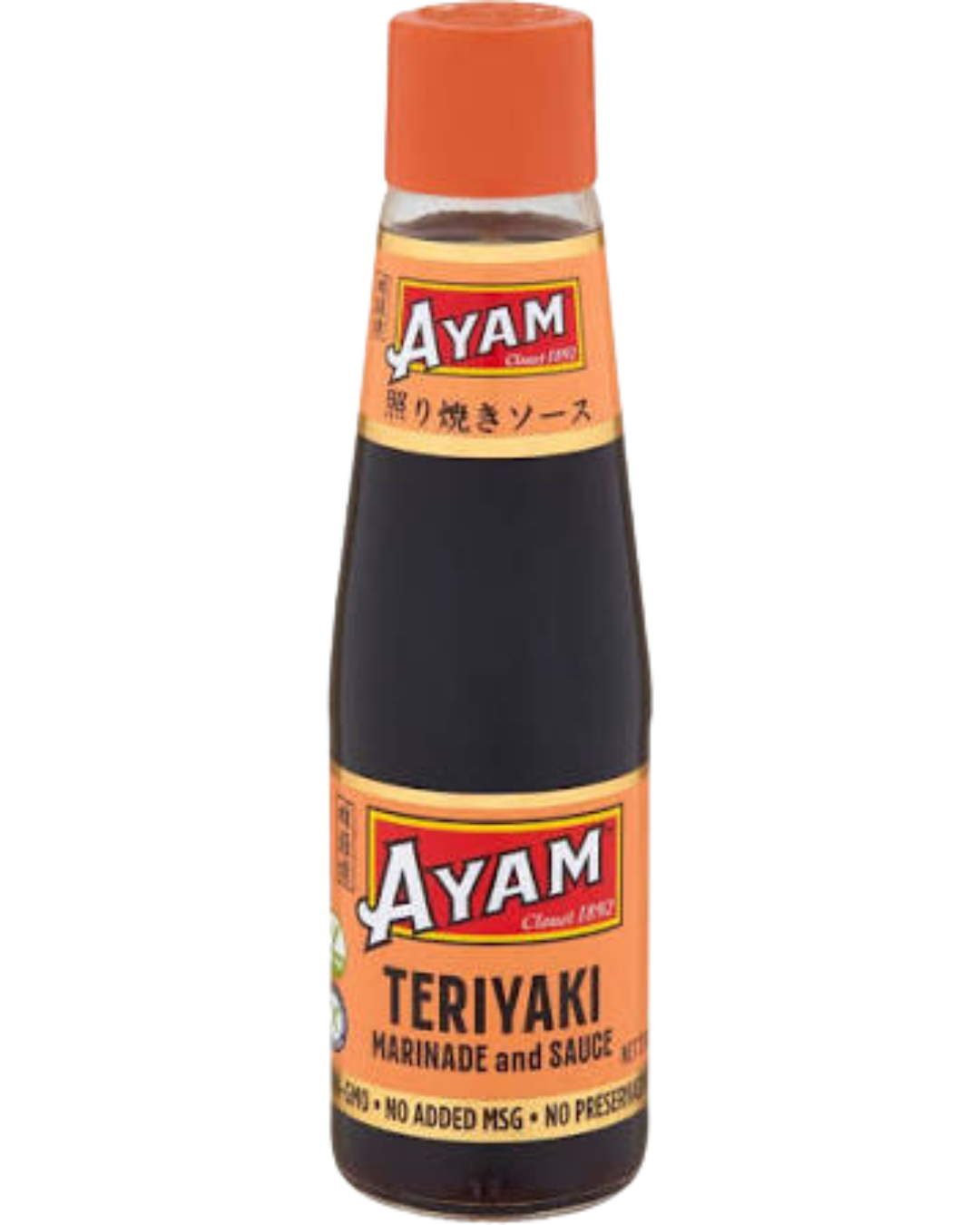
Stir-fries are one of my favourite quick and easy dinners, but finding a suitable sauce can be tricky when you're following a low FODMAP diet. Teriyaki sauces often contain garlic, onion or other ingredients that may contribute FODMAPs. Ayam Teriyaki Sauce is a useful supermarket find for adding a sweet and savoury flavour to stir-fries and marinades.
Why I like it: It makes throwing together a quick, flavour-packed stir-fry so much easier.
7. Master Foods Portuguese Chicken Seasoning
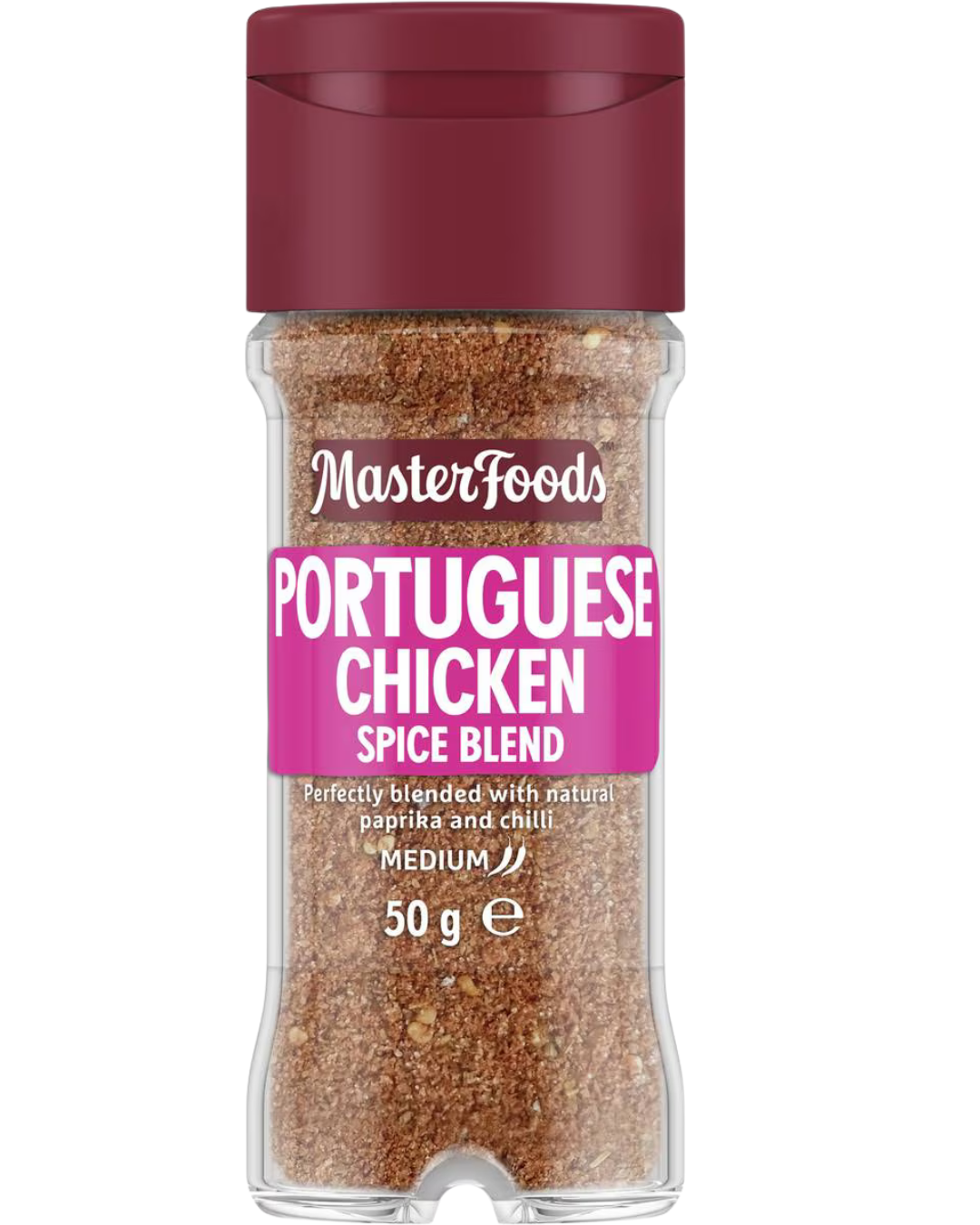
Whoever said low FODMAP food has to be bland clearly hasn't found this gem! MasterFoods Portuguese Chicken Seasoning has previously been a handy option for adding plenty of flavour without having to mix your own seasonings. It's great for chicken, roasted potatoes or adding a little extra flavour to vegetables. Warning, it does have a kick, so go easy if you’re not a fan of chilli.
8. Cobram Estate Infused Olive Oils (FODMAP certified)
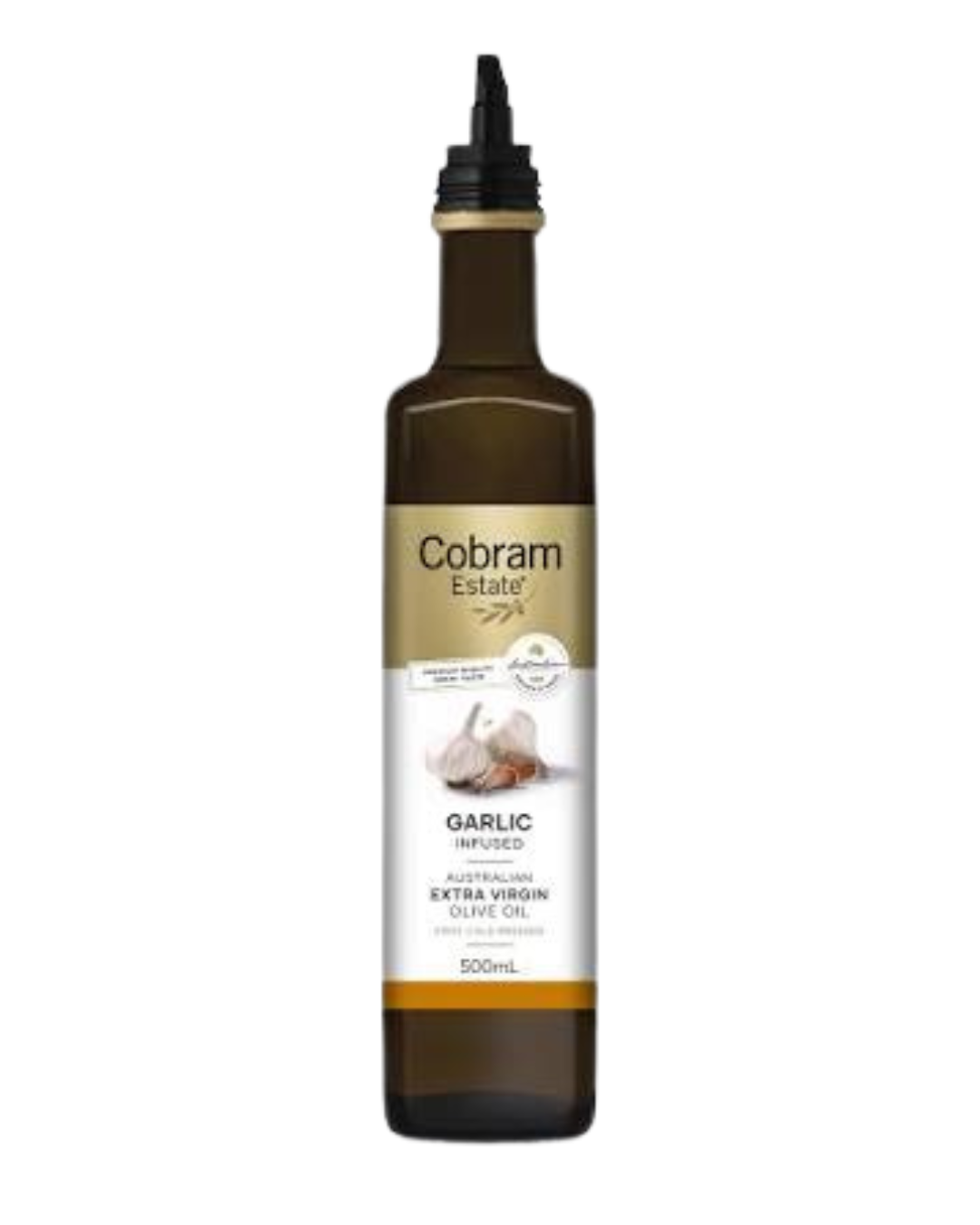
If there's one product I regularly recommend for low FODMAP cooking, it's garlic-infused olive oil. Garlic contains fructans, which are water-soluble but not oil-soluble. This means you can enjoy garlic flavour from a properly prepared infused oil without the fructans. Cobram Estate infused olive oils are a convenient way to add flavour to everyday meals.
Why I like it: You get all that delicious garlic flavour without the fructans. And let's face it, garlic makes almost everything taste better!
Low FODMAP everyday staples
Not everything on your shopping list needs to be a specialty product. Sometimes it's simply about finding a suitable alternative to something you already eat.
9. MasterFoods Curried Sausages Recipe Base
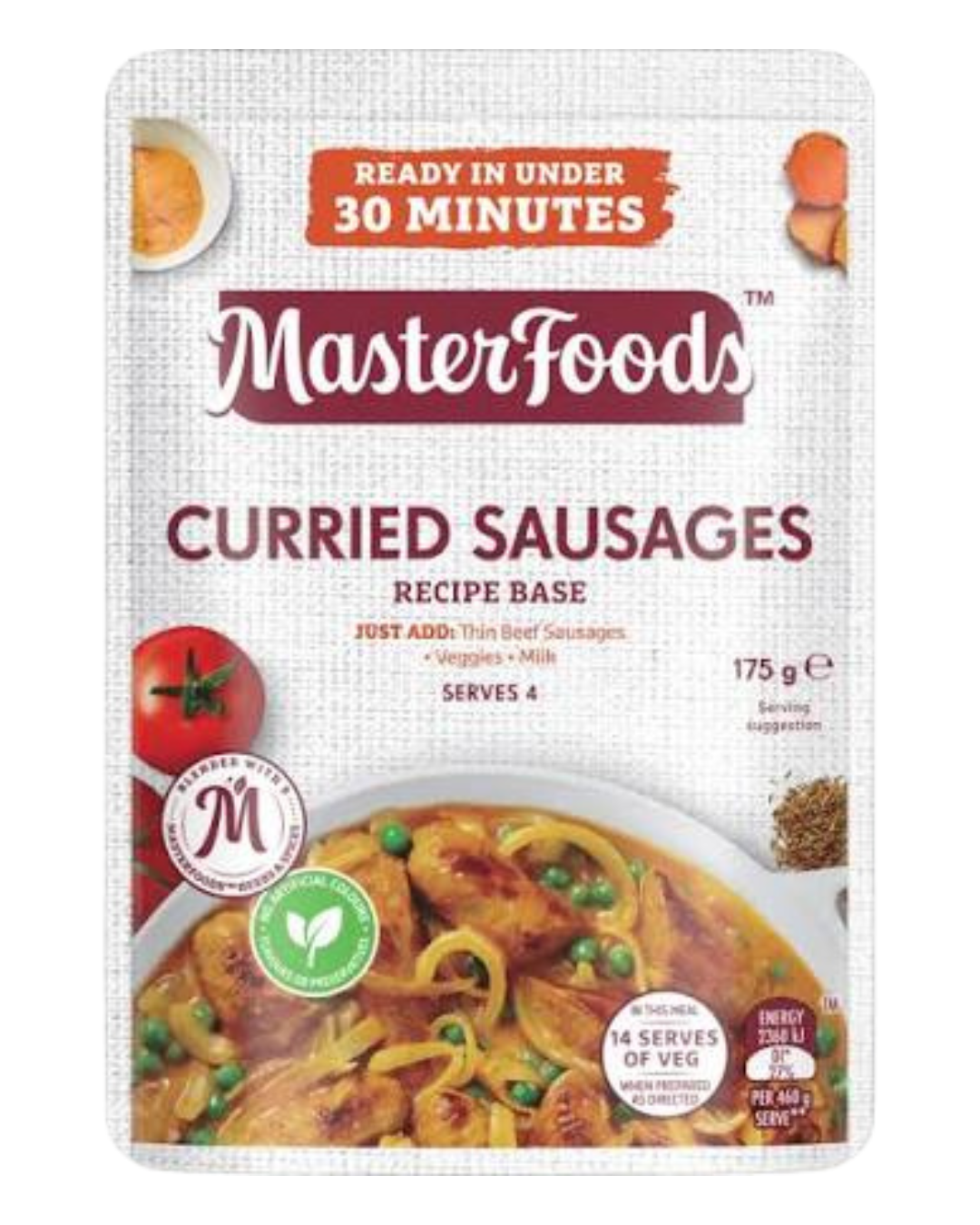
Sometimes you want a home-cooked meal without having to make everything from scratch. MasterFoods Curried Sausages Recipe Base was one of those surprising supermarket finds that made preparing a family favourite a little easier. Recipe bases can be particularly handy when you're juggling work, family and everything else life throws at you.
Why I like it: It's an easy way to get a family favourite on the table without making a separate low FODMAP meal or spending ages in the kitchen.
10. Woolworths Classic Angus Beef Sausages
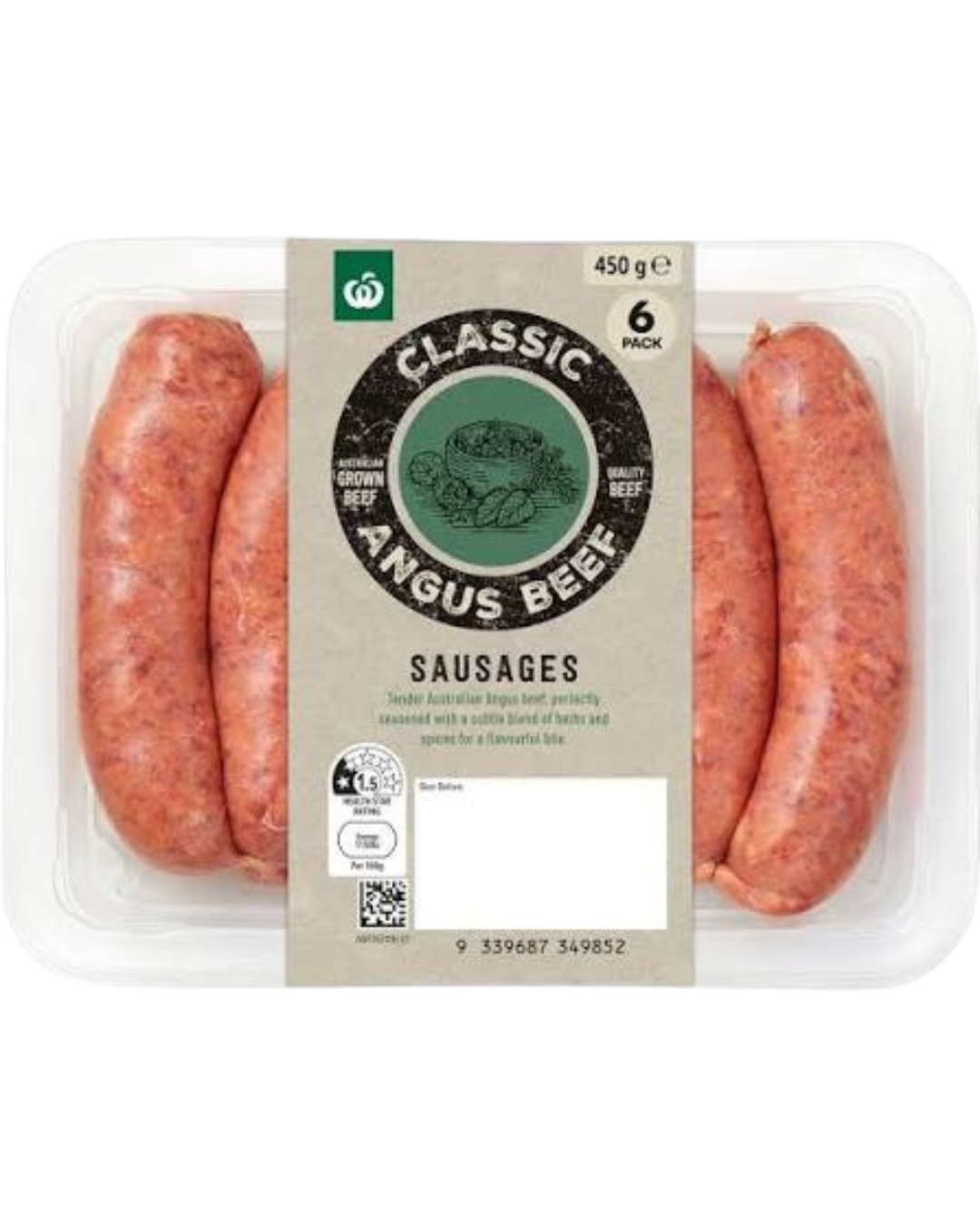
If you’re making Curried sausages, you’ll need a sausage to go with it. It can be tricky finding sausages without onion and garlic. But these Woolworths Classic Angus Beef Sausages are a handy supermarket find. They're made with 82% Australian Angus beef, and unlike many supermarket sausages, they don't list onion orgarlic among the ingredients.
Why I like them: They're a versatile everyday staple that the whole family can enjoy. BBQs, sausage sandwiches, curried sausages, sausage pasta or a simple dinner with mash and vegetables.
Bonus Product 1: a2 Lactose Free Milk
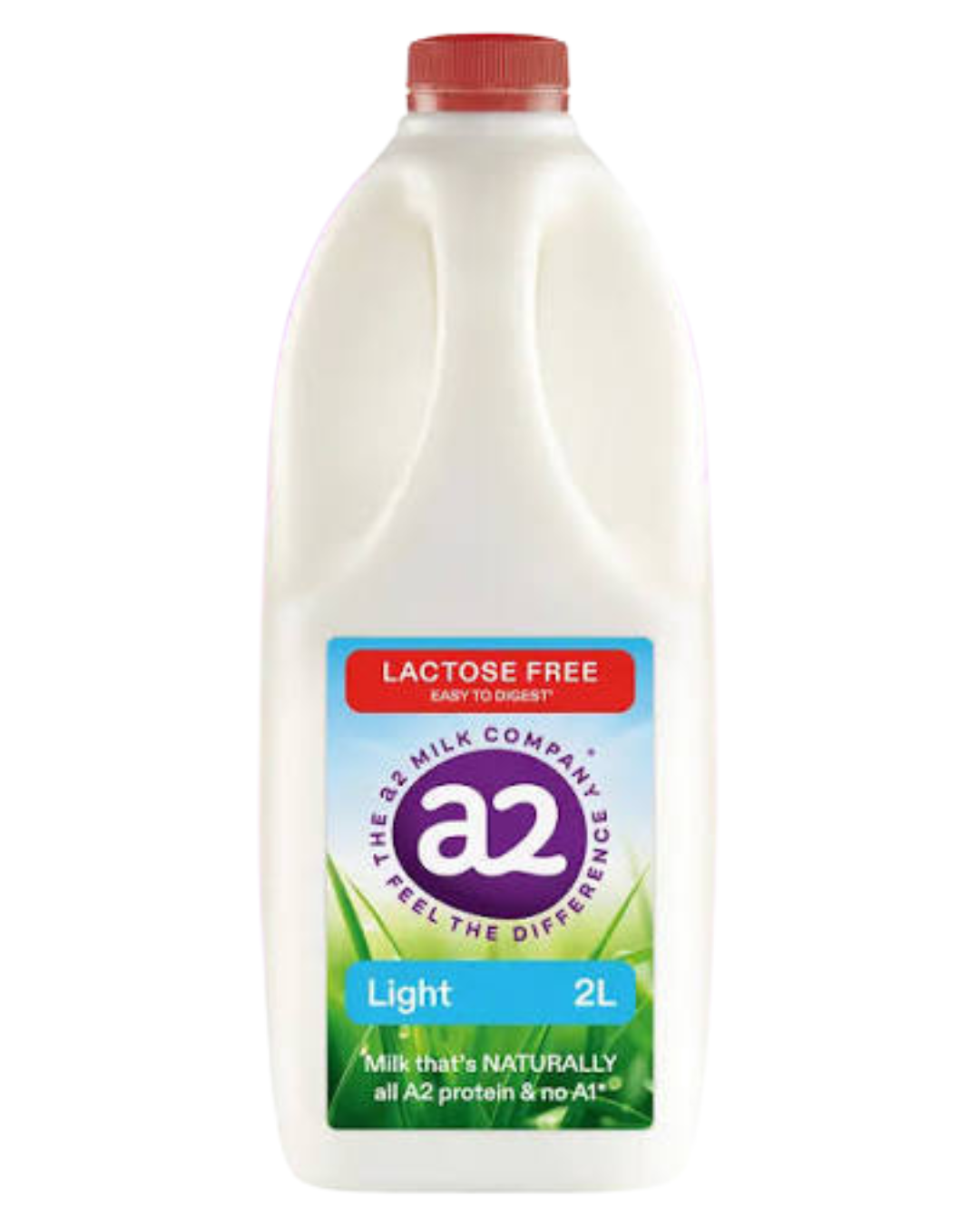
If you enjoy cow's milk but find even lactose free doesn’t sit well, you might like to try a2 lactose free milk. The a2 Lactose Free Milk contains A2 beta-casein protein and no A1 beta-casein and also has the lactose broken down using lactase. From a FODMAP perspective, it's the reduction in lactose that's important. The A1 and A2 proteins are a separate consideration.
Why I like it: For people who find regular lactose-free milk doesn't agree with them, this offers another option without having to give up dairy altogether.
Bonus Product 2. Edwards Organic Spelt Wholemeal
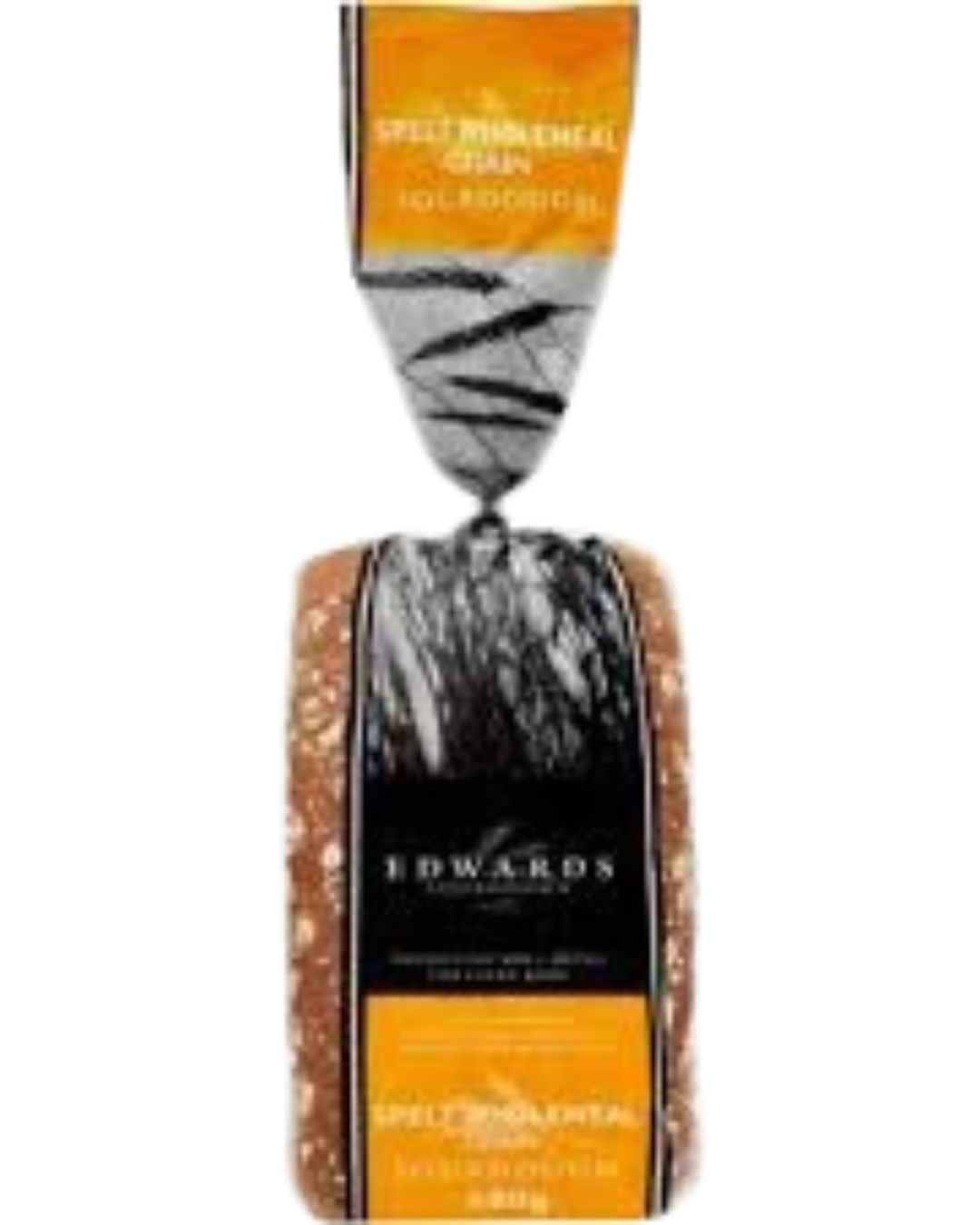
If you love bread the good news is that following a low FODMAP diet doesn't mean you have to give it up. Traditional sourdough fermentation can reduce the fructan content of bread, making most sourdough varieties suitable for a low FODMAP diet. Edwards Organic Spelt Wholemeal Sourdough is a handy supermarket option, and unlike many gluten-free breads, it provides a good amount of fibre, with 4g per 65 g serving.
Why I like it: It's a good source of fibre and works for everything from toast to sandwiches.
Bonus Product 3: Jalna Pot Set Creamy Vanilla Yoghurt
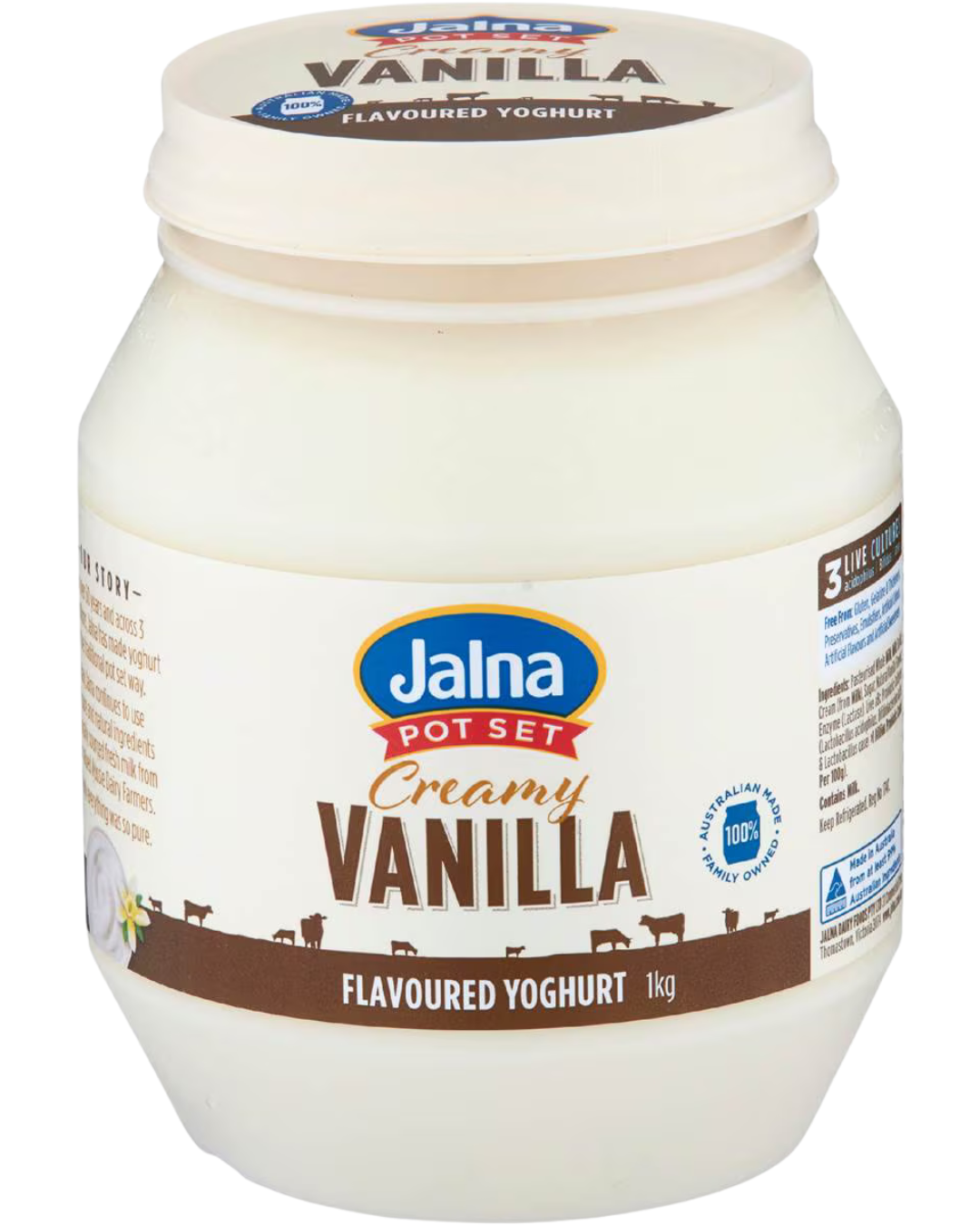
Here's a little supermarket secret: not every yoghurt made with lactase has 'lactose-free' written across the front of the tub! Jalna Creamy Vanilla Yoghurt is a great example. Take a look at the ingredients and you'll find lactase, the enzyme used to break down lactose listed in the ingredients making it lactose free.
Why I like it: It's a great example of where a little label reading knowledge opens up more food choices!
3 tips for easier low FODMAP supermarket shopping
Finding suitable products is helpful, but knowing how to shop confidently can make an even bigger difference.
Here are three things I wish more people understood about low FODMAP shopping.
1. Low FODMAP doesn’t automatically mean Gluten-free
This is one of the most common misconceptions I see. Gluten is a protein, while FODMAPs are carbohydrates. They ar ediffernt molecules that are often in the same foods. Some gluten-free products contain ingredients such as chocory root, inulin or garlic that can make them high in FODMAPs. And some foods containing gluten, including certain sourdough breads and soy sauces, can be low FODMAP at appropriate serving sizes. Unless you have coeliac disease or another reason to avoid gluten, you don't necessarily need a gluten-free diet to manage IBS.
Read more about the difference between gluten & fodmaps here
2. You don't need to worry about every high FODMAP ingredient on a label
Just because a product contains a high FODMAP ingredient doesn't automatically mean the food itself is high FODMAP. This is because FODMAPs are dose-dependent. The amount of an ingredient matters, as does the quantity of the food you eat.
Ingredients are listed in order of weight, from highest to lowest. So finding a potentially high FODMAP ingredient towards the end of a long ingredient list doesn't necessarily mean you need to put the product back on the shelf. Instead check your Monash app for the serve size of the ingredient and consider how much you plan eat at a meal or snack.
Want to feel more confident reading food labels? Check out my low FODMAP label-reading guide for practical tips on what to look for.
And remember, once you've completed the reintroduction phase, your own individual tolerances become much more useful than a generic food list.
3. You don't need to buy everything from the specialty aisle
Some of the best low FODMAP foods are ordinary supermarket staples. Think eggs, rice, oats, potatoes, lactose-free dairy, suitable fruits and vegetables, nuts and seeds. You don't need a trolley full of expensive specialty products to eat well on a low FODMAP diet.
In fact, I encourage my patients to build their meals around everyday foods they already enjoy, using specialty products when they genuinely make life easier. The goal isn't to become an expert at buying low FODMAP products. It's to make eating easier while you work out what actually matters for your gut.
Making low FODMAP shopping easier
Next time you're standing in the supermarket wondering what you can eat, remember that following a low FODMAP diet doesn't have to mean expensive specialty products, complicated meals or giving up foods you enjoy. Sometimes it's simply about knowing what to look for, understanding portion sizes and discovering that you have more options than you thought. And while finding suitable foods can make life easier, it's only one part of managing IBS.
Still struggling with IBS despite following a low FODMAP diet?
You've checked the labels, swapped your favourite foods for low FODMAP alternatives and followed the diet carefully. But you're still experiencing bloating, abdominal pain or unpredictable bowel habits. Or perhaps the diet helped initially, but now even the smallest deviation seems to result in a significant flare. You don't need another list of foods to avoid. You need to understand why your symptoms aren't improving.
As an IBS dietitian, I regularly work with people who've become increasingly restrictive with their food choices, yet their symptoms remain unpredictable.
We look beyond FODMAPs to understand what else might be influencing your symptoms, identify which dietary restrictions are genuinely necessary and develop practical strategies for managing IBS in everyday life. Because the goal of managing IBS isn't to get better at following restrictions. It's to need fewer of them.
If you're ready to stop second-guessing every food choice and start feeling more confident with your gut, I'd love to help.
Find out how I help people with IBS
Please note: Product formulations, availability and low FODMAP certification can change. Always check current packaging and serving sizes. The Monash University FODMAP Diet app is a useful resource for checking serve sizes of generic fooas as well as independently tested foods and certified products.