
Before jumping in, it’s important to weigh both the risks and benefits. In this article you will learn:
- What elimination diets are
- How they can be helpful (and when they don’t)
- When restriction becomes problematic
- How to know if an elimination diet is right for you
- Where to get expert support
What is an elimination diet?
An elimination diet is a diagnostic tool to determine whether certain foods impact your health. Typically, the elimination phase lasts 2-6 weeks. If symptoms improve, foods are systematically reintroduced one at a time to identify any that may be problematic. You can then use the information gathered to make choices about what to eat or not eat in the future. You can read more about the FODMAP process in detail here.
Benefits of an elimination diet
Food hypersensitivity unquestionably plays a role for some people and identifying problematic foods can substantially improve quality of life. Additionally, if an elimination diet does not improve symptoms, it helps rule out food as a contributing factor.
Other benefits of an elimination diet include:
- They are customisable to suit what, how much and how often you want to limit food and can be adapted to lifestyle
- Reduced need for doctors’ appointments & medications
- It can be empowering to self-manage symptoms
- Improves resilience and teaches self- management skills
- Less time off work
- Improved mental health due to generally feeling better
Potential Risks and Negative Effects of Restriction
Like any health strategy, elimination diets also come with risks. They are not suitable for everyone, and without the right approach, they can cause more harm than good.
Elimination diets may have unintended consequences:
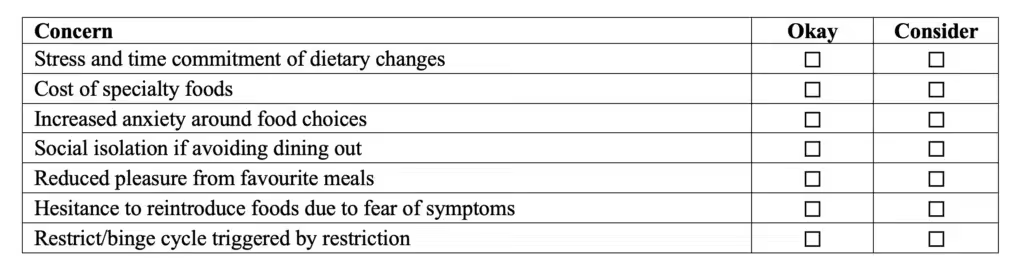
Improved Well-being May Not Be Due to Food Elimination:

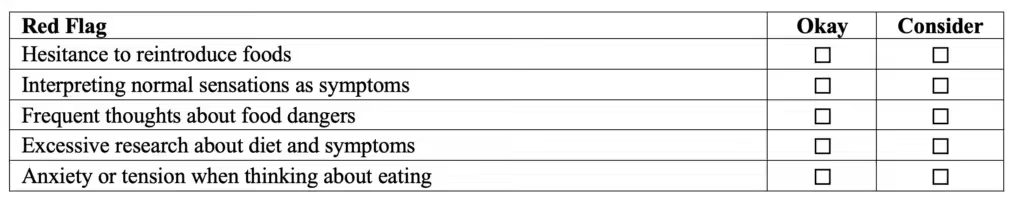
Could you be at risk of over restriction?
Sometimes what starts as a helpful strategy turns into hypervigilance and feels a bit risky.
“Red flags” to consider:
Alternative Approaches Before an Elimination Diet
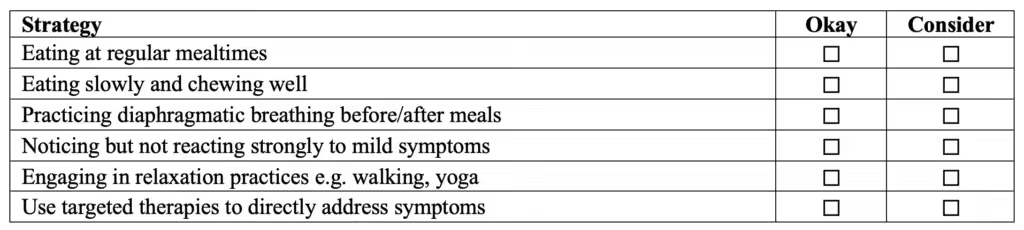
Before jumping into an elimination diet, consider simple strategies that may provide big benefits:
Final Thoughts
If you are considering an elimination diet, reviewing these factors can help you make an informed and confident decision.
In some cases, a modified or flexible approach is more sustainable and be just as effective. A specialised dietitian can help you determine what this might look like for you so you can prioritise both physical and mental wellbeing.