A decline in oestrogen affects not only your mood but also gut health, muscle mass, and bone density. By eating the right foods, you can counterbalance these effects.
In this post, we’ll dive into the best foods to include in your menopause-friendly diet and simple, practical ways to nourish your body through this transition.
Gut Health and Menopause
Your gut microbiome plays a critical role in digestion, metabolism, and immune function. As oestrogen levels dip, the balance of bacteria in your gut may shift, leading to bowel issues, inflammation and changes in metabolism.
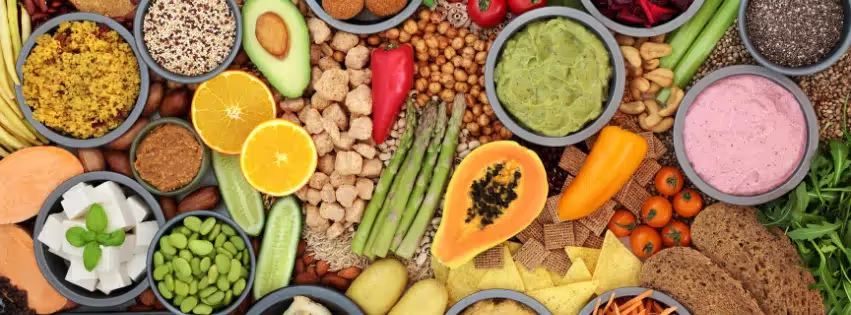
One of the best ways to support gut health during menopause is by eating plenty of plant-based foods and prebiotic fibres. Prebiotics are like the fertiliser for your gut microbiome, they feed your good gut bugs and keep them healthy. Some great sources of prebiotics include garlic, onions, leeks, asparagus, whole grains, and legumes.
Incorporating a variety of plant-based foods can promote a diverse and healthy gut microbiome, essential for overall well-being. We suggest aiming for 30 or more different plant foods per week including fruit, vegetables, nuts, seeds, legumes, grains, herbs and spices.
Protein and Lean Muscle
As we age, we naturally begin to lose lean muscle. This can lead to a slower metabolism, reduced strength, and eventually a loss of independence. To combat this, eating sufficient protein and engaging in strength exercises is crucial.
Make sure to include a high-protein food at each meal. Excellent sources include:
- Plant-based: Lentils, chickpeas, tofu, quinoa, nuts, and seeds
- Animal-based: Oily fish (salmon, sardines, mackerel), eggs, and dairy

Calcium and Bone Density
Oestrogen plays an important role in bone health, and as levels decrease, so does the body’s ability to absorb and retain calcium. In fact, approximately 1 in 3 women will experience a fracture due to osteoporosis in their later years. It’s essential to consume enough calcium and maintain adequate vitamin D levels to support bone density and prevent osteoporosis.
Good sources of calcium include dairy products (milk, yogurt, cheese), fortified plant milks, and canned fish with bones (like salmon and sardines). Women over 50 should aim for around 1300 mg of calcium per day, which is roughly equivalent to 4 servings of calcium-rich foods.
Vitamin D helps the body absorb calcium, so be sure to monitor your vitamin D levels and supplement if needed.

The Mediterranean Diet: A Menopause-Friendly Approach
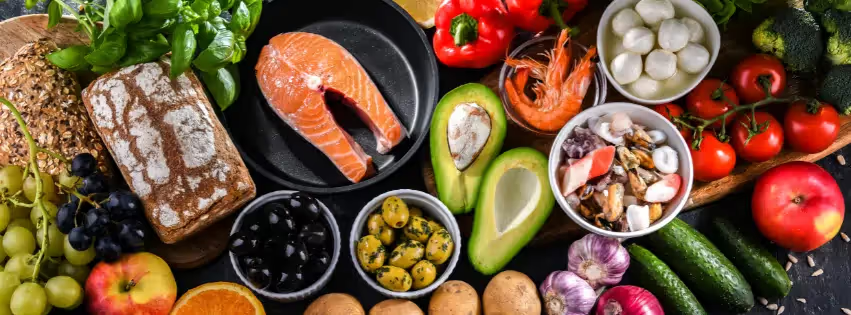
The Mediterranean diet is ideal during menopause, thanks to its emphasis on plant-based foods, healthy fats, and lean proteins. It also helps lower inflammation and reduce the risk of chronic diseases.
Key features of the Mediterranean diet include:
- A variety of plant foods
- Healthy fats from olive oil, nuts, and seeds
- Whole grains and legumes
- Protein from oily fish, poultry, and dairy
To integrate Mediterranean principles into your diet:
- Start your day with a fibre rich breakfast (think oats with nuts and berries).
- Add protein to every meal (e.g. chickpeas in salads, tofu in a stir fry or tuna in a sandwich)
- Use olive oil as your main fat source for cooking, drizzling and dipping.
- Fill half your plate with colourful, fibre rich vegetables.
- Enjoy meals mindfully, savour every bite and connect with loved ones
.avif)