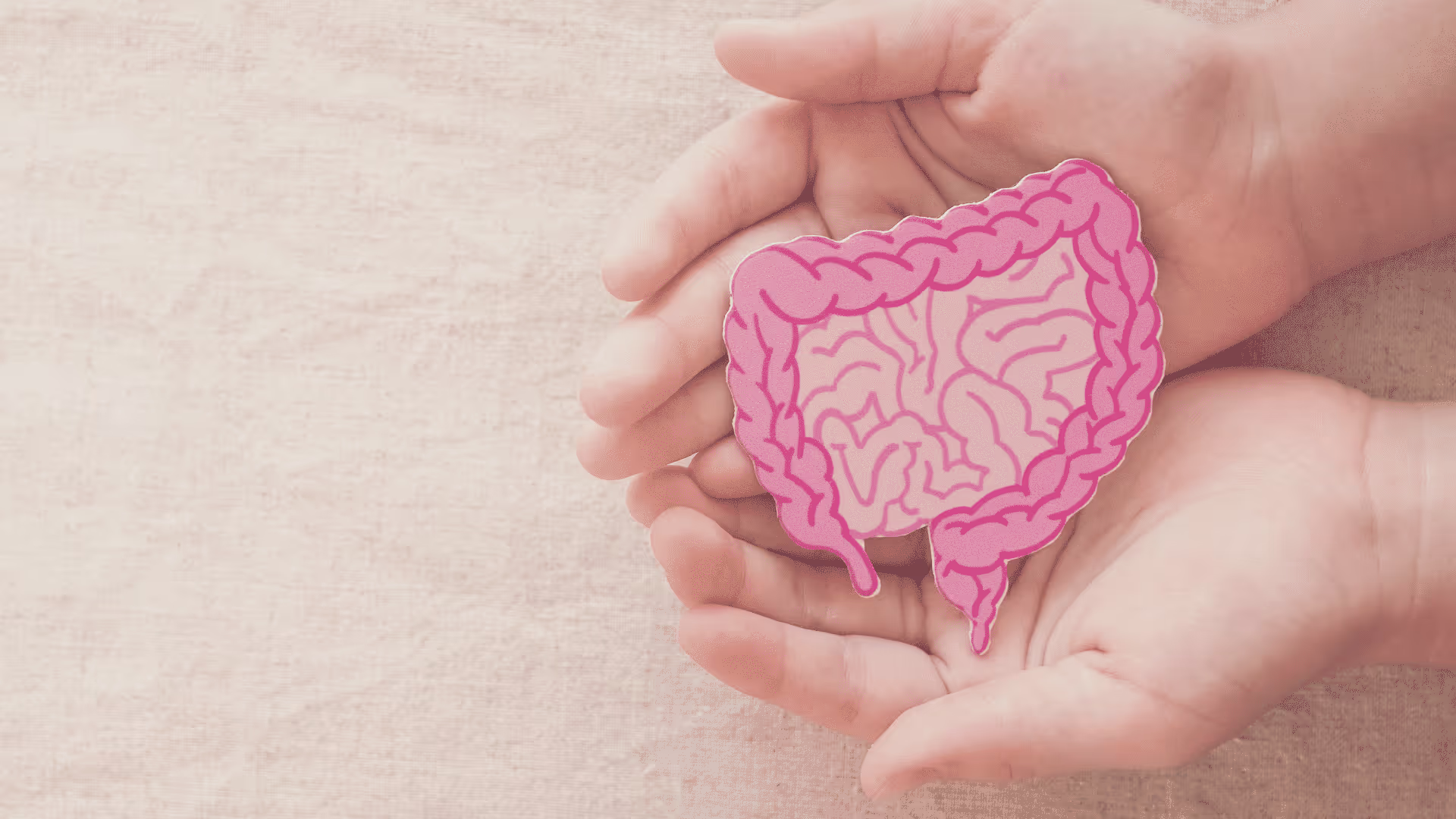
Fructose is a single sugar molecule found mostly in fruits and honey. It is the “M” of the FODMAP acronym. For some people (particularly children, with little bodies and big appetites), excess fructose sources in the diet can provoke unpleasant gastrointestinal symptoms. The most common symptoms experienced with fructose foods are diarrhoea, gas and abdominal pain/bloating.
Fructose does not cause damage or have any impact on digestion of other nutrients. The symptoms experienced are merely a result of fructose attracting water into the gut, and then being fermented in the large bowel by our bacteria.
An important fact here is that fructose is just one of the ‘FODMAP’ sugars, and different people will have varying tolerance. Even in those with limited capacity to absorb fructose, there is no need to avoid this sugar completely.
In trialling a lower fructose diet, we are implementing a relatively simple measure (reducing excess fructose in the diet), to see if it helps with symptoms. This is not designed to be a long term approach to be followed strictly, as tolerance will often change (and improve) as children grow.
The two important concepts in this diet are:
- The balance of glucose and fructose in the food consumed
- Dose of fructose in a sitting
Concept 1: Glucose and fructose balance
Many foods contain fructose and glucose (two different simple sugar molecules) in varying amounts.
For example:
- Table sugar is 50% glucose and 50% fructose – no excess fructose
- Honey tends to be around 40% glucose and 60% fructose – honey has excess fructose because there is more fructose than glucose
When fructose and glucose are present in the same food (as in the case of table sugar), fructose is absorbed in the small intestine via a ‘piggybacking’ mechanism with glucose. For this reason, many foods containing fructose will be well tolerated in moderation. As per the lists on following pages, only the excess fructose foods (foods with equal or more fructose than glucose) need to be limited/avoided.
Concept 2: Dose of fructose in a sitting
Because the glucose-fructose ‘piggybacking’ absorption pathway is slow, large doses of fructose (even when balanced with glucose) may still result in malabsorption and unpleasant symptoms. If trialling this diet, it helps to avoid large doses of fruit and very sugary foods (e.g. juices, soft drinks and lollies)
General tips:
- Limit fruit to 1 piece or 1 cup per serve, and separate serves by 2-3 hours
- Limit fruit juice to ½ cup per serve of suitable juice (you can dilute juice with water)
- Consume only small doses of suitable dried fruits (many are high in fructose)
- Eating fruit with other foods may slow down digestion and help absorption, improving tolerance
- Keep servings of sugary foods e.g. lollies, soft drinks, biscuits, cake to small portions
Avoid / limit the following foods:
Nb: Choosing ‘sugar free’ or ‘diet’ products is not recommended, as these often contain sweeteners than have a laxative effect (e.g. sorbitol, mannitol, xylitol). Regular sugar (e.g. table sugar, caster sugar, brown sugar), maple syrup, rice malt syrup and golden syrup are suitable sweeteners to use in moderation.
Suitable foods to include on a low fructose diet:
It is important for health and wellbeing to eat a wide range of foods from the core food groups listed below.
Nb: Some of the foods listed are high in other FODMAP groups. If you are only limiting fructose, these are suitable. If you are doing a full low FODMAP diet, you can read more here.