Here are seven strategies to help you build a calmer, more resilient gut without adding more food rules.
Already doing all the “right things” but still having IBS symptoms? You don't need another food list. You need a morepersonalised approach. Find outhow I help with IBS →
1. Eat like clockwork:
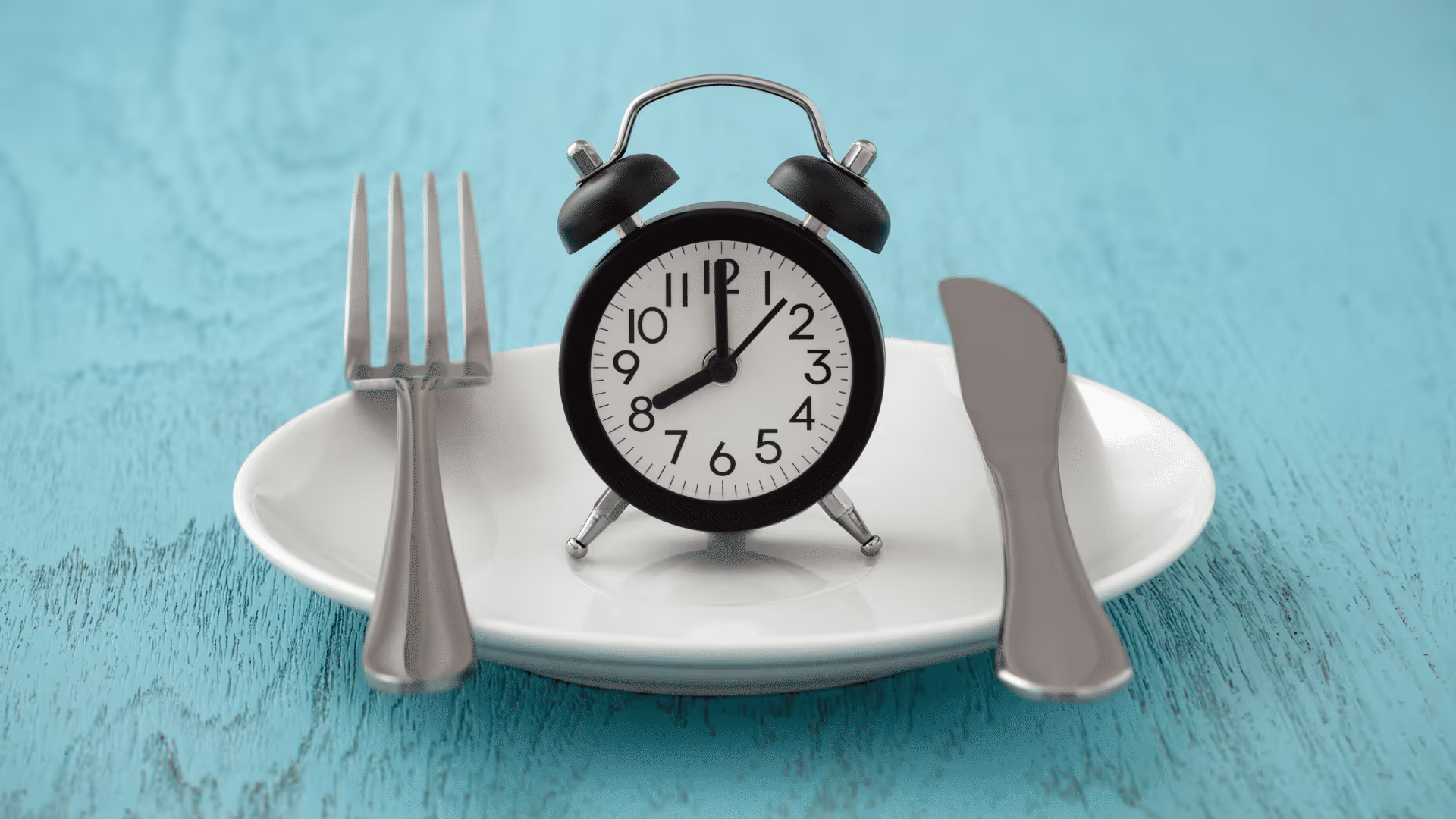
Ifyou want more rhythm and routine with digestion, start by creating more rhythm and routine with your meals. Undereating, skipping meals or eating too quickly can disrupt your body’s natural rhythms, increase gut sensitivity and make your bowels less predictable. Aim to eat enough and at regular intervals, while giving yourself time to slow down, chew well and enjoy your food. Giving your gut a consistent pattern to work with can make digestion feel a lot less chaotic.
If you want to go deeper into the foundations of eating well with IBS, I’ve written more about it here: Living Well with IBS: The foundation for lasting relief
2. Move it move it:
Movement is one of the simplest ways to support a calmer, more predictable gut. It can help stimulate digestion and bowel movements, reduce stress and help settle the gut-brain connection. The best movement is something you enjoy and can do regularly. Walking, yoga, swimming, strength training or even a quick walk after a meal are all good. You don’t need a perfect exercise routine; you just need to move.
Want to know more? Read how movement can help create a calmer gut
3. Sleep like it’s your job:
Your gut and your sleep are more connected than you might think. Poor sleep can disrupt cortisol and other stress hormones, making the gut-brain connection more sensitive and amplifying digestive symptoms. And when you’re tired, stress and symptoms can feel harder to manage. Aim for a consistent sleep routine and give yourself time to wind down and recover. Better rest can help create a calmer, less reactive gut.
Want to know more? Read how rest and recovery can support a calmer gut
4. Hydrate, hydrate, hydrate:
Your gut needs fluid to keep things moving. Staying well hydrated helps keep stools softer and easier to pass, particularly if constipation is part of your IBS. Sip regularly throughout the day rather than realising at 4pm that you've survived on two coffees. Your bowels will thank you for it.
5. Turn down the volume:
IBS is classified as a disorder of gut-brain interaction, which means the sensitivity of the nerves in your gut plays an important role in how strongly you experience digestive sensations. The good news is there are lots of ways to help turn that sensitivity down. Diaphragmatic breathing, mindfulness, meditation, yoga and gut-directed hypnotherapy can all be useful tools for calming the gut-brain connection. Think of it as teaching your gut that it doesn’t need to shout quite so loudly.
Want to understand why yourgut can feel so sensitive? Read more about IBS and thegut-brain axis
6. Do more things that make you happy:
When you’re managing IBS, it’s easy for life to become focused on symptoms, food and avoiding things that might upset your gut. Make a conscious effort to put the good stuff back in, spend time with people you love, get outside, laugh, return to a hobby or do something simply because you enjoy it. The goal isn’t just fewer symptoms; it’s building a bigger, more enjoyable life where IBS takes up less space.
Want more ideas? Read about adding more joy and connection when living with IBS
7. Stop checking in:
A healthy human gut isn’t silent. It gurgles, moves, stretches, fills with gas and lets you know it’s there sometimes. The line between normal gut sensations and IBS can be blurry, and also not every sensation means a flare is coming and not every sensation needs your attention or action. In fact, worrying about what might happen can sometimes be worse than the symptoms themselves. And if things do escalate, you have a plan for managing them (and if you dont have a plan, this si something I can help with too).
Instead, practise noticing familiar sensations without immediately going into detective mode. Acknowledge what’s happening, use your IBS toolbox if you need it, and then get on with your day. The goal isn’t to ignore your gut; it’s to respond rather than react.
Want to put this into practice? Read how to feel more in control of your IBS
Your IBS toolbox needs more than Food
Your IBS toolbox needs more than food. Managing IBS isn’t about doing everything perfectly. It’s about having a range of tools you can draw on to help your gut feel calmer, more predictable and less in control of your life. Food can be an important part of that toolbox, but so are regular meals, movement, sleep, hydration, calming the gut-brain connection, doing things you enjoy and learning not to react to every gut sensation. The more tools you have, the less pressure there is on food to do all the work.
Still doing all the “right things” but your IBS isn’t where you want itto be?
You don't need another food list or more things to try on your own. You need a plan that works out which tools are right for your gut and your life. I can help you understand what's contributing to your symptoms and build a personalised approach that gives you more confidence with food and more freedom from IBS.
Find out how I help with IBS here