How To Poop Well

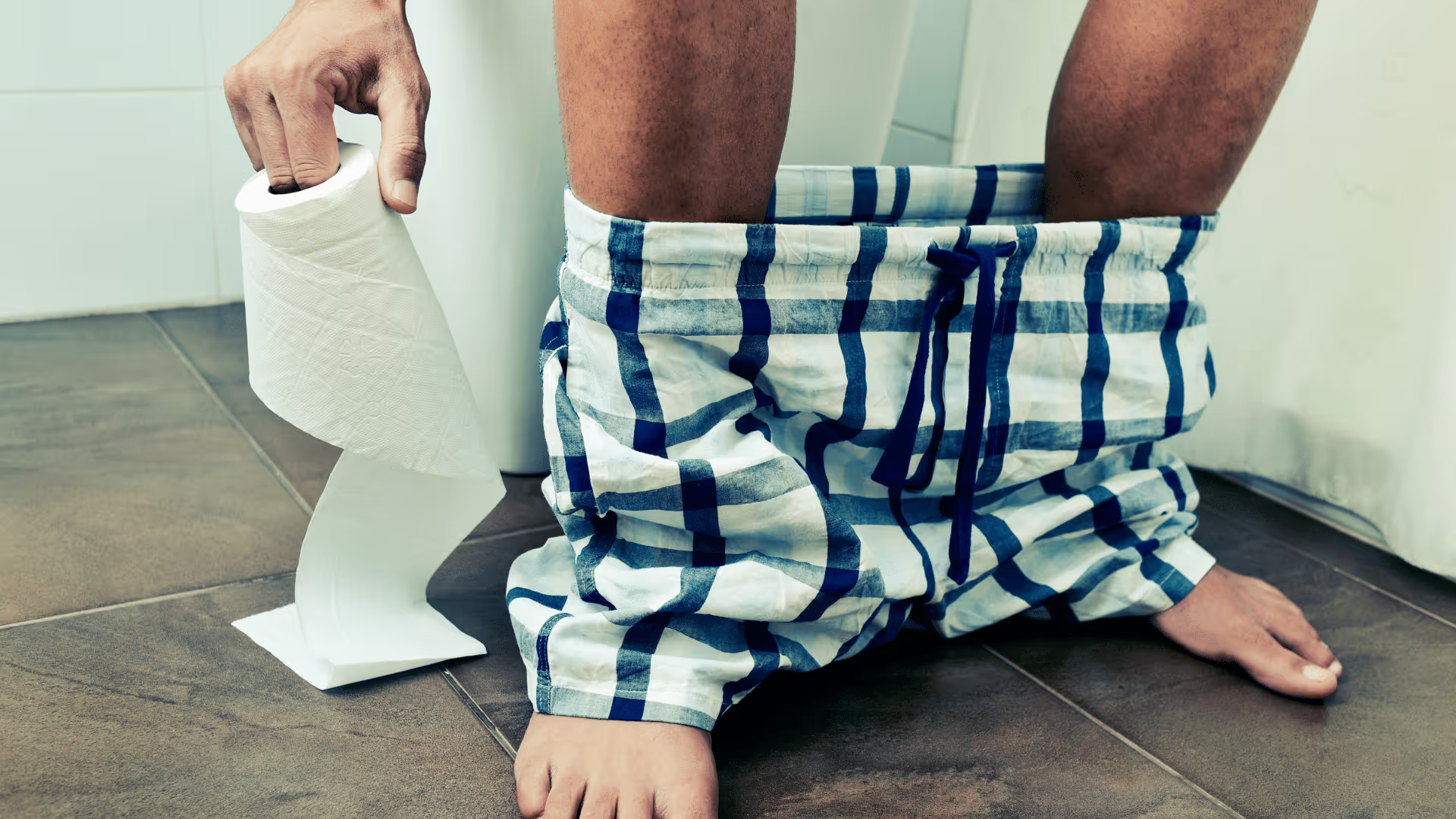
What goes in, has to come out. While not the most common dinner time conversation, Poop is essential for your well-being.

As gut health dietitians, we get asked about this topic A LOT, so let’s dive in and discuss what’s normal, what’s not, and how to address any concerns.

Your poop is the residue of the food and fluids you consume after your body and gut microbiome have absorbed the necessary nutrients. What you eat plays a significant role in your digestive system, and your poop can provide valuable insights into the functioning of your digestive tract and your recent diet.

What’s normal and what’s not:

When it comes to digestion and poop, it’s normal to experience some day-to-day fluctuations. In fact, this variability is a sign of a diverse and balanced diet. If you’ve recently changed your diet, lifestyle, or started taking medication, it’s likely to affect your poop temporarily. If the change settles back to normal quickly, there’s usually no cause for concern. However, if symptoms persist, it might indicate an underlying issue that needs attention.

Common Poop Problems:

Diarrhoea Frequent loose or watery stools, occurring more than usual, can be caused by various factors such as viruses, food poisoning, medications, bacteria, food intolerances, and gut-brain axis issues like IBS.

Constipation This is the opposite of diarrhea and involves small, hard, infrequent, or difficult-to-pass stools. Causes may include low fibre intake, dehydration, lack of physical activity, certain medications, and gut-brain axis issues like

Colour Usually, poop is brown, but it can change based on your diet. For example, eating spinach may give your poop a green hue. Certain food colourings can also alter poop colour. While this is normal, certain colours like light, red, or black may indicate other issues that require attention.

Food in the stool Finding undigested food in your stool, especially with fibrous foods like corn or seeds, is quite normal and not usually a cause for concern.

Floating stool If your stool is floating and appears fatty, it could be a sign of bile acid malabsorption, pancreatitis, an infection, or excessive gas.

Foul smelling poop. While poop naturally has a distinctive smell, significant changes in smell may be related to malabsorption, infections, bowel conditions like IBD, pancreatitis, or genetic conditions like cystic fibrosis.
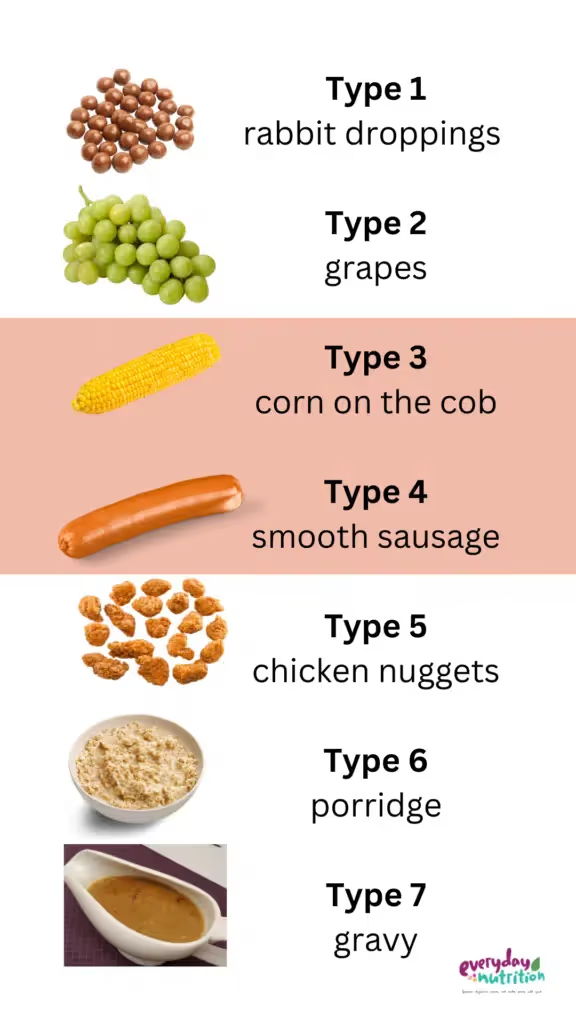
When to see your doctor:

  • Unexplained weight loss.
  • Unexplained rectal bleeding.
  • Ongoing changes in your regular bowel routine.
  • IBS type symptoms when you have a family history of bowel conditions.
  • IBS symptoms starting after the age of 50.
  • Unexplained nutrient deficiencies e.g. low iron.

Remember your poop is a valuable indicator of your digestive health. If you have any concerns or need help improving your bowel movements, don’t hesitate to reach out to a doctor or dietitian. We can assist you in finding the right solutions to live a healthier and more comfortable life.

How to Improve your Pooping Experience:

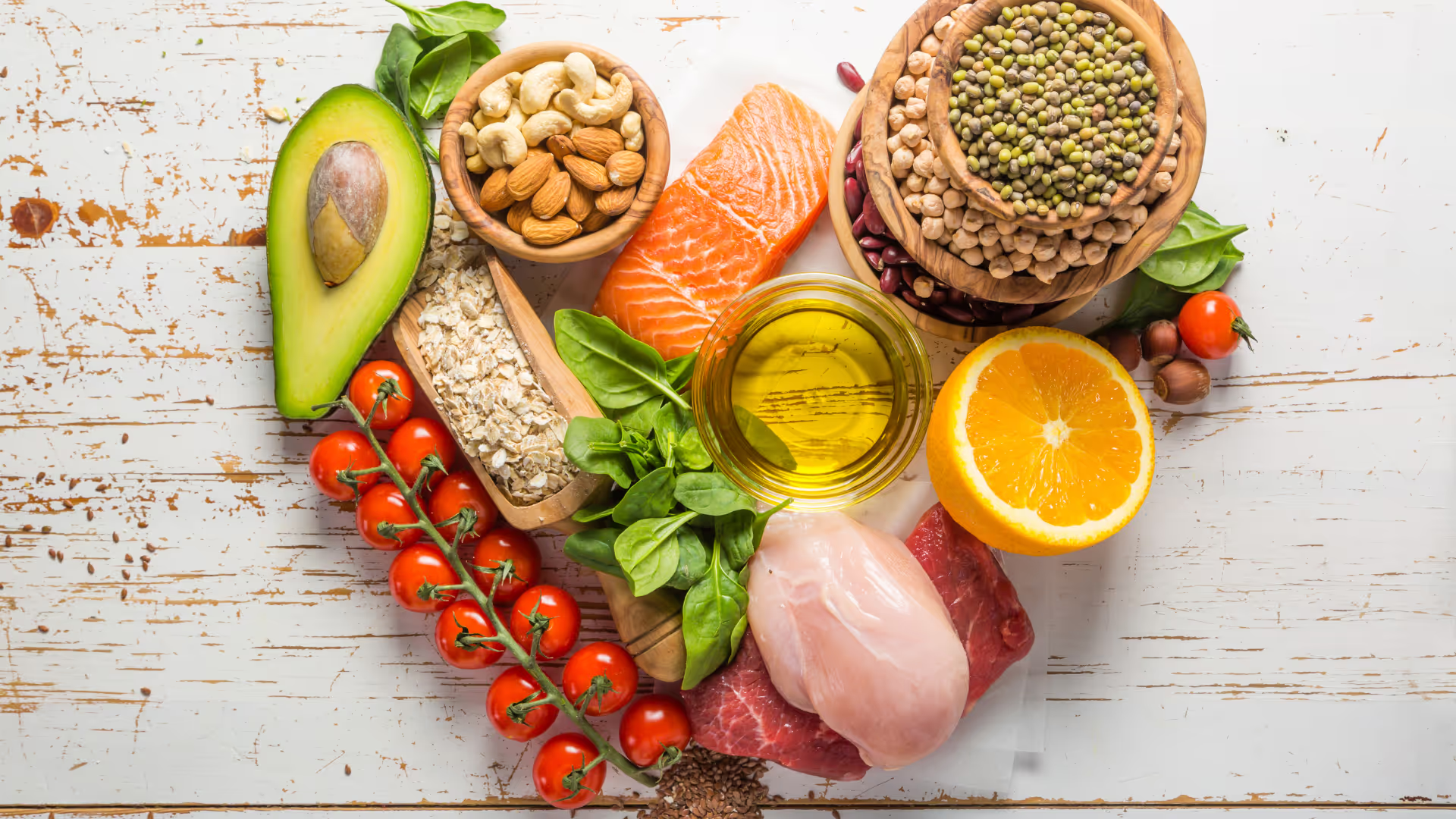
  • Include more fibre from fruits, vegetables, nuts, seeds, whole grains, and legumes in your diet. If you’re following a low FODMAP diet, consult with our dietitians for suitable options and the right type of fibre for your symptoms.
  • Stay hydrated by drinking enough water.
  • Find a movement you enjoy and do it regularly.
  • Be mindful of caffeine intake and how it impacts your gut.
  • Be mindful of gut irritants and high FODMAP foods.
  • Ensure you get enough sleep.
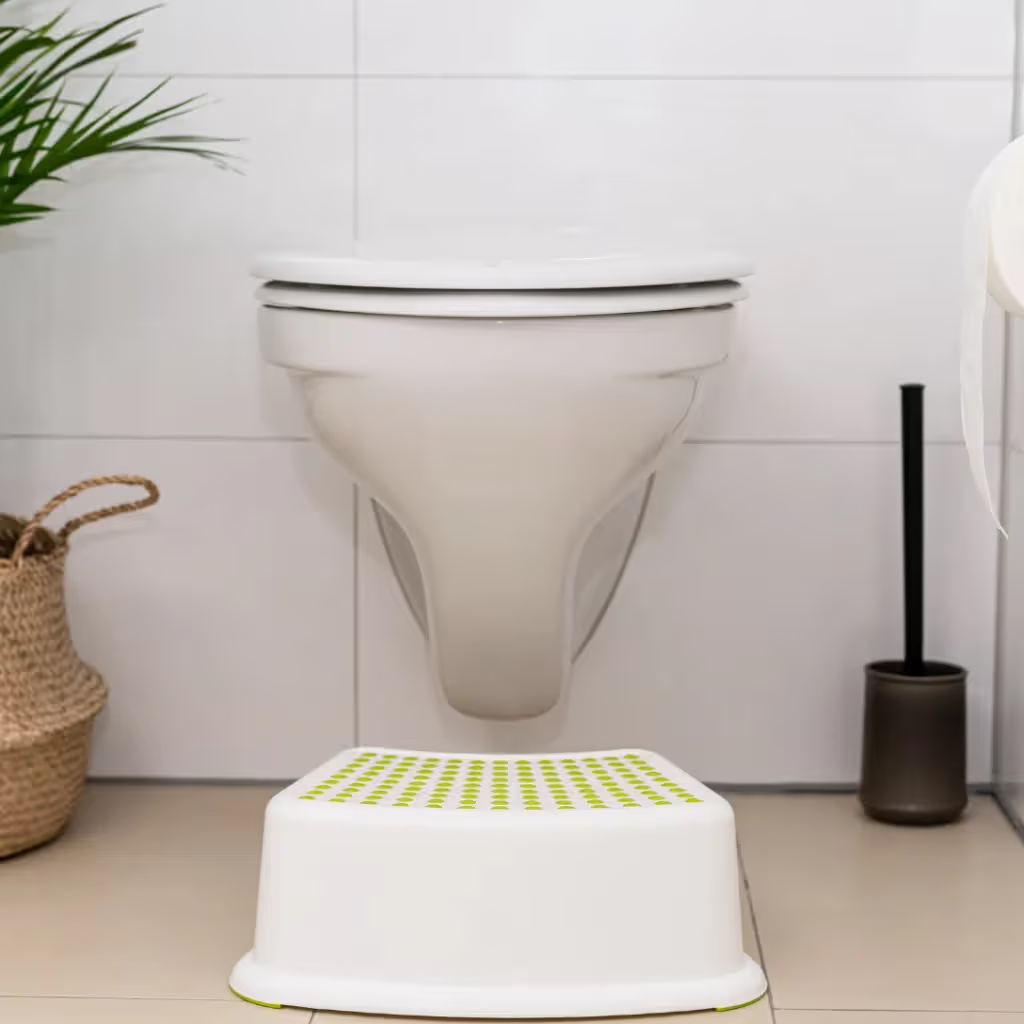
  • Improve your position by using a foot stool to raise your feet off the floor in the bathroom

Final Thoughts

There is a wide range of normal when it comes to poop. It’s okay to have variations in frequency, colour, and form from time to time. Our bodies are unique, and what’s normal for one person may not be the same for another.

If you’re experiencing difficulties or concerns with your bowel movements, don’t hesitate to reach out to one of our specialist dietitians. We’re here to help you understand your body better and get back in the driver’s seat to live your best life! Book Now.

Get to the root cause of your gut health & solve your digestive issues.

Follow us

By continuing to explore our site, you consent to the use of cookies.