Pillar 2: Movement for a Calmer Gut
Moving your body with IBS isn’t about pushing harder, hitting high intensities or following a rigid regime because, just like with food, there is no “perfect” routine. Movement is far more than a fitness goal; it’s actually amechanical and neurological tool too. In fact, it's one of the best strategies to calm a flare. Movement plays a direct role in supporting:
- Physical Digestion: Helping to move gas and contents through the GI tract.
- The Gut-Brain Axis: Sending signals of safety to the brain to help down-regulate a sensitive system.
- Nervous System Regulation: Shifting the body out of "fight or flight"and into a "rest and digest" state.
The goal isn't to force your body to perform, it’s to provide it with the support it needs to function.
1. Build a Baseline with Gentle and Consistent Movement
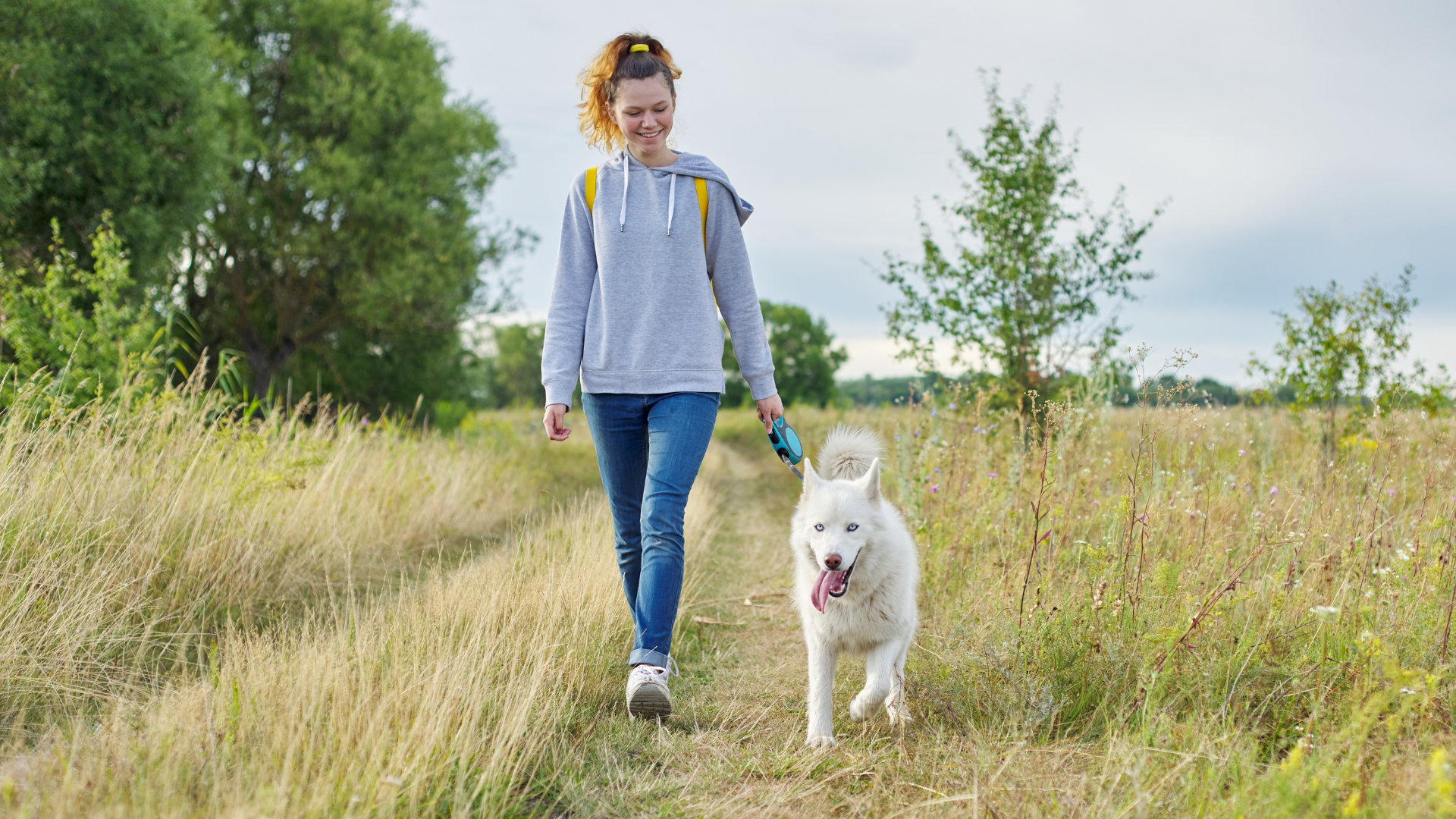
When your gut feels unpredictable, exercise can feel hazardous. However, avoiding movement long-term can actually increase sensitivity and reduce your body's confidence. The goal is to choose low-pressure activities like walking, light strength training or gentle cycling. These are rhythmic and target the vagas nerve sending a "safety" signal to your nervous system.
The Mindset: This isn't about "pushing through" pain; it’s about reintroducing movement in a way that feels manageable.
The Result: Consistent, low-pressure movement helps settle the gut-brain axis and builds a stable foundation for your digestive health.
2. Use the "Fart Walk" as a Digestive Aid
Think of movement as a functional tool you can "add in" to support your guti n real-time. A 10 minute gentle stroll after a meal is a game-changer for bloating. This light, upright activity uses gravity and gentle muscle contractions to assist gastric emptying and help clear trapped gas before it becomes uncomfortable.
The Routine: A short 5-10 min walk after meals can stimulate digestion and help regulate bowel habits overtime.
The Shift: Don’t worry about a perfect workout schedule, focus on using movement as a simple way to ease discomfort when you feel sluggish.
3. Prioritize Calm Over Intensity During Flares
On days when your gut is over active, more isn't always better. High-intensity or exhaustive exercise can spike stress hormones, which may worsen cramping or urgency. When you’re in a flare, swap the gym for restorative yoga or floor-based stretching to stimulate blood flow without over taxing your system.
Importantly, the right kind of movement can actually help a flare settle. Gentle, rhythmic activity sends calming signals to the gut-brain axis, helping to reduce sensitivity, ease discomfort, and support your body back toward a more regulated state. It can also gently stimulate gut motility, helping to ease trapped gas and reducing bloating.
The Check-in: Ask yourself, "Will this session give me energy, or will it drain what little I have left?"
The Goal: The aim is to leave your movement feeling more settled and regulated, not more depleted.
The Bottom Line
Move with the goal of feeling better after than you did before. When movement feels safe, consistent and supportive, it becomes a powerful tool for calming the gut-brain axis and rebuilding trust in your body.
Final Thoughts
Movement is just one piece of the puzzle. Explore how nutrition, restand social connection can further support you to live well with IBS. Becauseit’s not just about food, it’s about your whole life. You can read the otherparts of this series here:
Ready for Support?
If you’re feeling stuck in the cycle of food fear, symptom flare-ups or second-guessing what to do next, you don’t have to navigate it alone. I work with people to take a structured, evidence-based approach to IBS so you can understand your symptoms, feel more confident with food, and start building a way of eating and living that actually works for you. Book an appointment here
Come back next week for Pillar 3: Rest and Recovery