Joy & connection as part of your IBS Toolbox
Whenyou live with IBS, life can slowly become smaller. You might avoid dinners out, cancel plans “just in case,” or constantly scan for the nearest bathroom. Overtime, it’s easy to lose the things that once brought joy, connection and freedom.
But living well with IBS isn’t just about reducing symptoms. It’s about rebuilding a life that feels meaningful and connected. This matters because the gut and brain are closely linked. Stress, anxiety and isolation can heighten gut sensitivity, while feelings of safety, enjoyment and connection help calm the nervous system and support the gut.
For people with IBS, building connection, pleasure and emotional wellbeing isn’t a bonus, it’s a key part of supporting gut health.
1. Stop Waiting Until YouFeel “Better” to Start Living
Many people unintentionally put life on hold while waiting for their gut to behave perfectly first. But recovery often happens the other way around: life gets bigger first, and symptoms gradually take up less space second. This doesn’t mean ignoring your symptoms. It means gently reintroducing the things that matter to you, even in small ways:
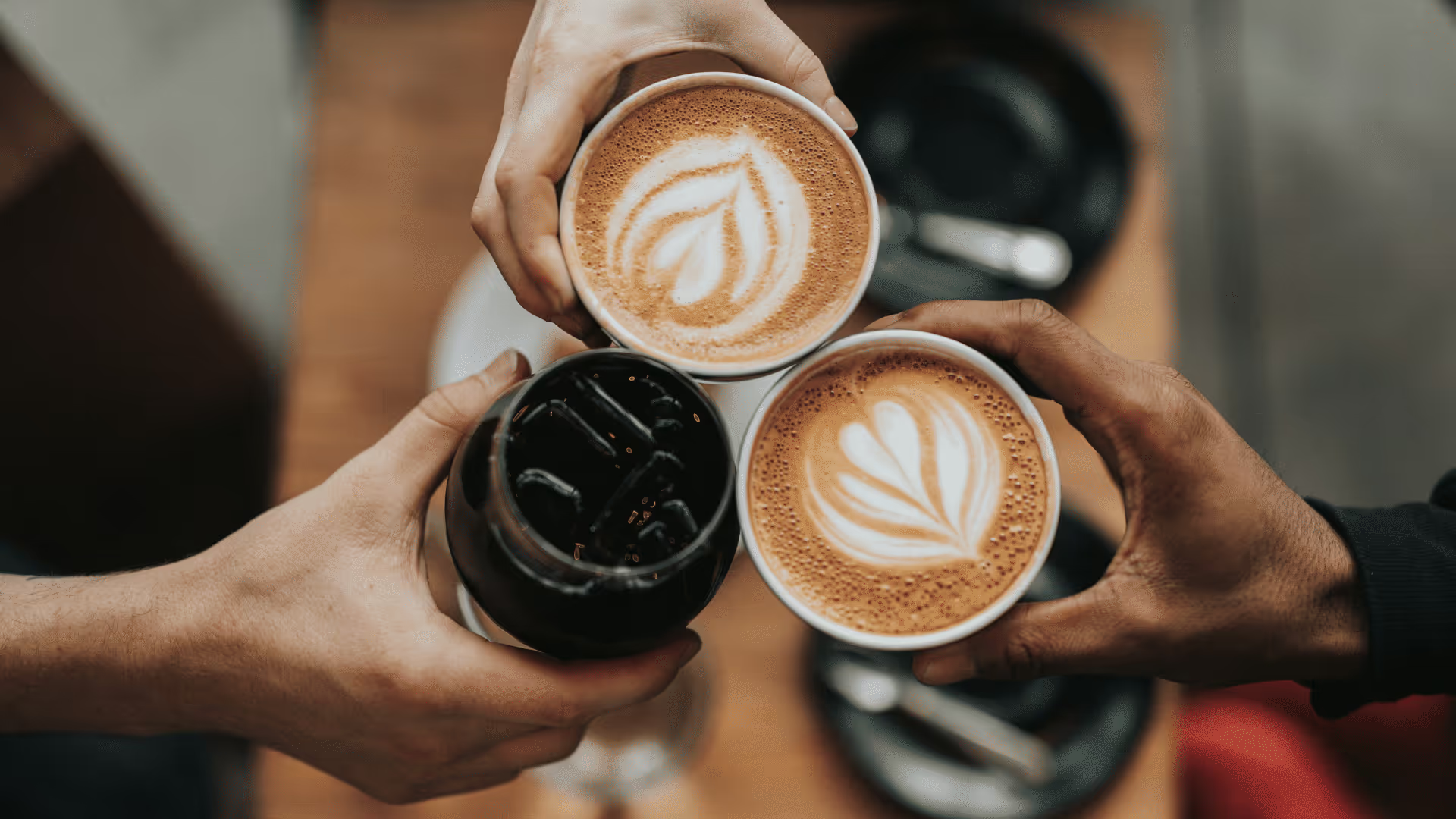
- Meet a friend for coffee
- Go for a short walk with someone you enjoy
- Say yes to a short outing in a familar place
- Return to hobbies or activities you’ve missed
The Shift: The goal isn’t to have a perfect gut before living your life. The goal is to slowly rebuild trust in your ability to participate in life again.
2. Add More Joy, Pleasure & Play into Daily Life
When symptoms are persistent, life can become overly focused on problem-solving and “fixing.” But your nervous system also needs experiences that feel enjoyable. The more moments of joy you create, the less space symptoms take up.
Joy doesn’t have to be big or dramatic. Even five intentional minutes a day can shift your focus, give you something to look forward to and make the whole day feel better, even ifyour IBS is flaring.
- Listening to music
- Gardening
- Sitting in the sun
- Watching something funny
- Spending time with pets
- Creative hobbies or gentle movement
The Goal: Gently create moments of joy each day, and build a life that’s about more than just managing symptoms.
3. Be Mindful of the Stress Loop
IBS symptoms can create a frustrating cycle: Symptoms → worry → hypervigilance → increased nervous system activation → more symptoms.
This doesn’t mean symptoms are “psychological” though. IBS is a real disorder involving altered gut-brain communication and heightened gut sensitivity. And also, stress and fear can amplify that sensitivity over time. Practices that calm the nervous system can help interrupt this loop:
- Mindfulness or meditation
- Gut-directed hypnotherapy
- Slow breathing exercises
- Gentle movement
- Limiting excessive symptom research online
- Engaging a psychologist or counsellor. Not because your symptoms are “in your head,” but because the brain and gut constantly influence each other and livign with IBS is hard.
Importantly, these strategies are most effective when practiced regularly, not just in the middle of a flare. You wouldn’t wait for a fire to do a fire drill, and the same applies here. Building these skills when you’re feeling relatively well makes them much easier to access when symptoms do arise.
The Shift: The aim isn’t to “think your way out” of IBS, but to reduce the constant state of alarm surrounding symptoms.
The bottom line:
Living well with IBS is about more than food and symptoms. Human beings need rest, movement, purpose, joy and connection too. The more supported and emotionally nourished you feel, the more opportunity your nervous system has to settle, and the less space IBS takes upin your life.
Bringing It All Together
If you’ve been stuck in the cycle of trying to “fix” your gut, it makes sense that you’ve focused on food. Afterall, that’s what most people are told to do. But health with IBS isn’t built through restriction, perfection or constant problem-solving. It’s built through consistent, supportive habits across multiple areas of your life. And often, when you shift your focus from “How do I get rid of symptoms?” to “How do I support my body overall?” … your gut starts to feel safer, steadier and more predictable too.
Final Thoughts:
Joy and social connection are just one piece of the puzzle. Explore how nutrition, movement and rest can further support you to live well with IBS. Because it’s not just about food, it’s about your whole life. You can read the other parts of this series here:
Ready for Support?
If you’re feeling stuck in the cycle of food fear, symptom flare-ups or second-guessing what to do next, you don’t have to navigate it alone. I work with people to take a structured, evidence-based approach to IBS so you can understand your symptoms, feel more confident with food, and start building a way of eating and living that actually works for you. Book an appointment here