As an IBS dietitian, one of the most common things I do is help people work out why they are still getting symptoms even when they follow a low FODMAP diet. One thing I have learnt over the years is that the key to making progress is usually about looking beyond FODMAPs to understand what else might be going on.
Here are the three most common reasons you might be reacting to low FODMAP foods, and what you can do about it.
1. You're focusing on the last food you ate
Have you ever eaten something and had to run to the bathroom 10 minutes later and assumed you ate the wrong thing? This is a super common mistake and its almost never the answer.
When FODMAPs result in symptoms, they typically occur around 4–24 hours after eating. When someone Im working with gets get clarity, they are oftne surprosed that they eat out on Saturday night, be fine on Sunday and Sunday night start to feel bloated or wake up Monday morning feeling off.
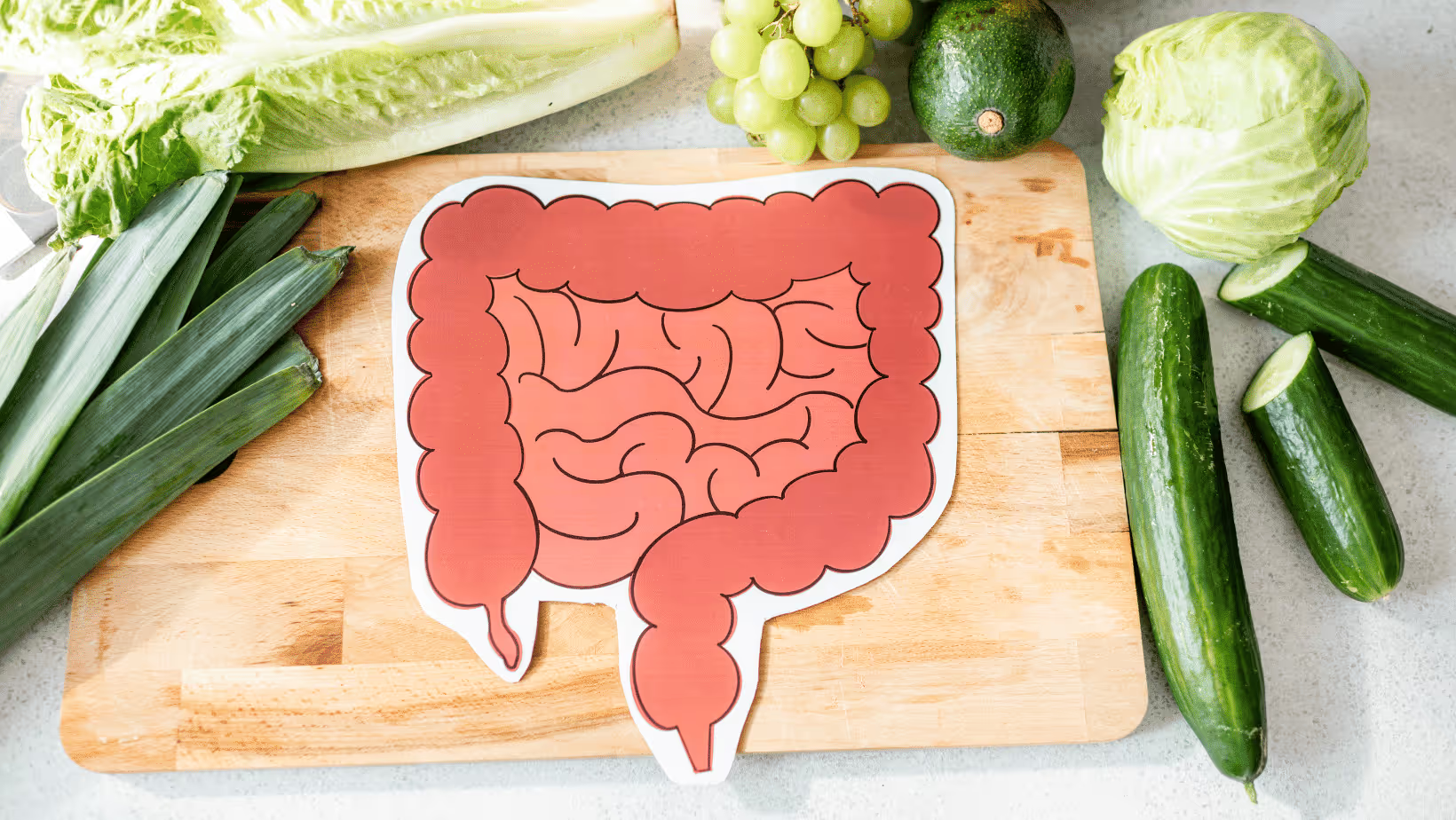
To understand why this makes totals sense, it’s good to know what happens to FODMAPs inside your body. FODMAPs are poorly absorbed carbohydrates that travel all the way through the stomach and small bowel intact. Once they reach the large bowel (up to 6 meters & several hours later) some attract water into the bowel, while others are fermented by bacteria in the large bowel, producing gas. In people with IBS, this can contribute to bloating, abdominal pain, wind and changes in bowel habits.
So why is it always after a meal? This is where it gets interesting. When you eat, your digestive system activates something called the gastro-colic reflex. This reflex sends signals to your bowel to move things along and make room for the incoming food. This is very normal, but if you have FODMAPs sitting in the small bowel from a previous meal the gastro-colic reflex can push them into the large bowel. So, if you develop symptoms shortly after lunch, it could actually be something you ate earlier that day, or even the day before.
What can you do?
Instead of automatically blaming the last thing you ate, look for patterns over several days. Consider when symptoms occur, what your bowel habits are doing and whether there are other factors involved. Most importantly, don't eliminate a food based on one uncomfortable experience. Instead note it down and keep doign what yourte doing.
2. Your gut is responding to more than food
If you've ever noticed your IBS symptoms getting worse during a stressful week, after a poor night's sleep or when you're feeling anxious, there's a good reason for that. IBS is a disorder of gut-brain interaction (DGBI). Your gut and brain are constantly communicating through a complex network of nerves and chemical messengers.
In people with IBS, this communication can become altered, and the gut may respond more strongly to normal digestive processes. This is known as visceral hypersensitivity. It means that normal amounts of gas, stretching or movement within the bowel can feel uncomfortable or even painful. And while food can certainly influence these sensations, it's not the only factor.
Stress, poor sleep, anxiety and even worrying about how your gut might behave can influence symptom severity. Importantly, these symptoms are real and you’re not imagining them. And also, it means your nervous system plays an important role in how your gut feels and functions. Both of these can be true.
For example, you might eat the same breakfast every morning, but find that on a relaxed Sunday you feel fine, while on a busy Monday morning you're bloated and uncomfortable. The food hasn't changed, but the circumstances surrounding it have.
What can you do?
Rather than focusing exclusively on food, consider what else might be influencing yoursymptoms.
Strategies such as regular meals, adequate sleep, movement, diaphragmatic breathing and gut-directed hypnotherapy can all have a role in IBS management. Even taking a few minutes to slow down and practise diaphragmatic breathing can switch your body from Fight or Flight into Rest and Digest.
You can read more about the gut brain axis and strategies to help with it here
3. FODMAPs aren't the only foods that can influence symptoms
One of the biggest misconceptions about IBS is that if you're reacting to food, FODMAPs must be responsible.
But that's not always the case. There are several other dietary (and non dietary) factors that can influence gastrointestinal symptoms, including:
- Caffeine and alcohol: Both can influence bowel activity and may worsen symptoms in some people.
- High-fat meals: Fat can stimulate gut movement and may contribute to discomfort or urgency.
- Spicy foods: Some people with IBS are particularly sensitive to compounds found in chilli and other spicy foods.
- Fibre: While fibre is important for gut health, certain types, too much or too little can increase bloating, gas or discomfort.
- Natural food chemicals or histamines: Some people report symptoms associated with naturally occurring compounds such as amines, salicylates and glutamates. Although evidence for these as causes of IBS symptoms is limited, fior some it can make a big difference.
- Medications and supplements: These can also influence bowel habits and gastrointestinal symptoms.
- Hormones, sleep and exercise: All influence gut transit
The important thing is that you don't need to eliminate everything on this list to work out what's happening. In fact, doing so can make your diet unnecessarily restrictive, compromise nutritional adequacy and leave you even more confused about what you can and can't eat.
What can you do?
Start by considering whether there's a consistent pattern to your symptoms. Are they more troublesome after particular types ofmeals? Do they vary depending on your bowel habits, sleep or stress levels? And if you've already tried eliminating foods without getting clear answers, it maybe time to take a different approach.
Following the low FODMAP diet but still struggling?
If you're following the low FODMAP diet to the letter but still experiencing significant symptoms, or even the smallest deviation leaves you feeling miserable, it's time to look at what else might be going on.
You don't need another list of foods to cut out. You need a plan that helps you understand what's influencing your symptoms, reduce their severity and get back to enjoying food without constantly second-guessing your choices. That's exactly what I help people do.
Find out how I can help with IBS here
What I look at when the low FODMAP diet isn't working
When someone comes to see me because they're still struggling despite following the low FODMAP diet, my first recommendation is seldom to eliminate more foods. Instead, I take a step back and look at the bigger picture.
This might include:
- Your symptoms and their timing: Are they consistent with FODMAPs or coudl another food sensitivity or medical condition be at play?
- Your bowel habits: Could constipation, diarrhoea or altered bowel function be what is actually driving symptoms, not the other way around?
- Your eating patterns: Are meal timing, nutritional adequacy or even what youre not eating making things more difficult?
- Your gut-brain connection: Could sleep, stress, visceral hypersensitivity or other lifestyle factors be playing a role?
- Your relationship with food: Has managign IBS become a constant source of worry with an ever shrinkign list of foods you feel comfortable eating.
Sometimes this means adjusting your diet. Sometimes it means exploring other treatments strategies or discussing further with your GP. Often though, it’s a combination of approaches. The aim is to develop a toolbox that reduces symptom severity, gains clarity on food sensitivities and builds a healthy relationship with food so you can eat as widely and confidently as possible.
What to do next?
If you’ve had a one-off flare, note it down and just keep going with what you’re doing. Not every symptom needs an explanation. But, if you are often having flares despite following a low FODMAP diet or your list of safe foods keeps getting smaller, it's time to rethink your approach.
Continuing to eliminate foods without understanding what's happening can leave you stuck in a cycle of restriction, frustration and uncertainty. And that’s not how you want to spend another year!
As an IBS dietitian and registered nurse, I help people understand what's influencing their symptoms and develop practical strategies to manage them. So they can spend less time worrying about food and their stomach and more time enjoying meals, eating out, travelling and getting on with life. Consultations are available via telehealth across Australia, with limited face-to-face appointments in Burwood, Melbourne.
Ready to stop going around in circles with your IBS?
Find out how I can help with IBS here