Psst… want the shortcut?
Apply to work with us one-on-one and have a customised endometriosis friendly nutrition plan for you with an expert dietitian & nutritionist here at Everyday Nutrition.
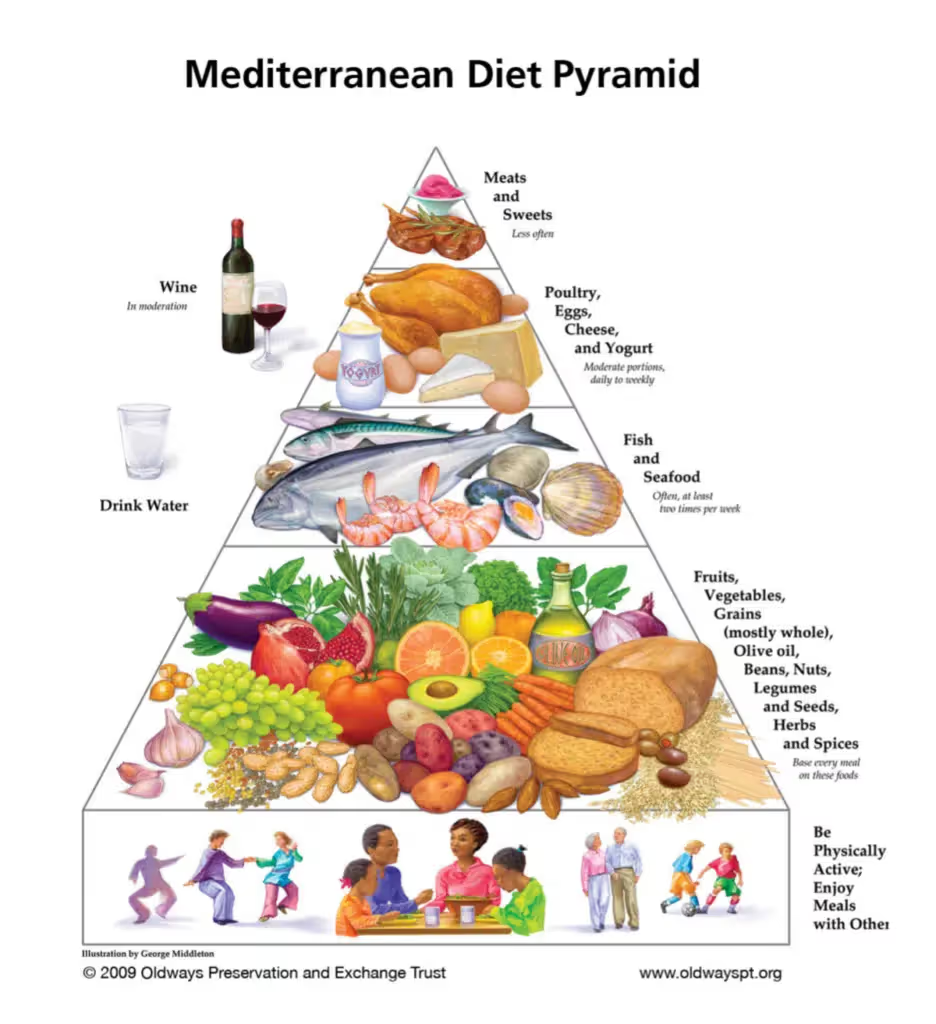
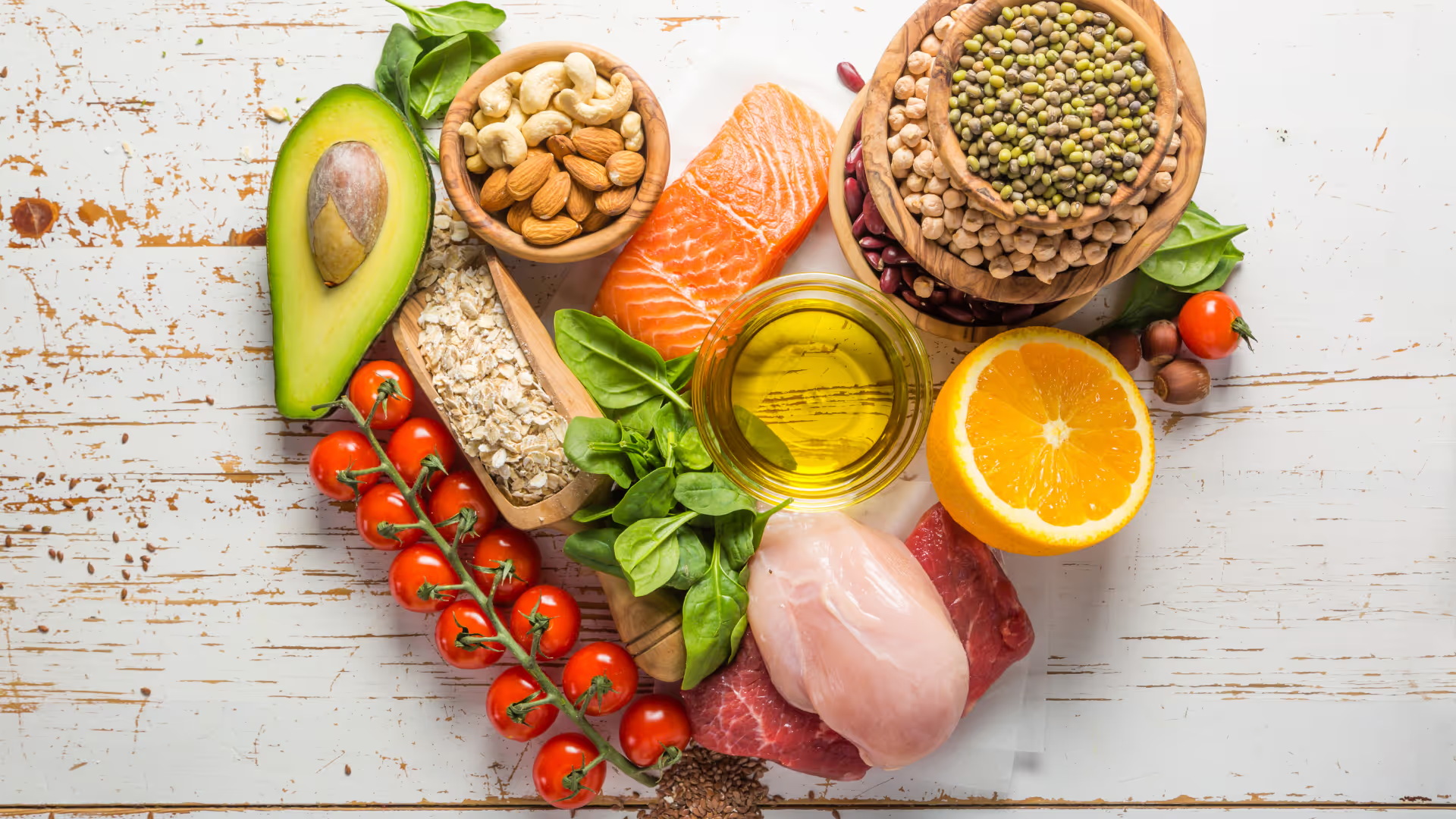
The really good news is that a Mediterranean diet isn’t really a diet at all. Instead, it’s more a way of eating, and a way of life. Based on traditional eating patterns from countries bordering the Mediterranean like Spain, Italy and Greece, a Mediterranean diet includes a high intake of fruit, vegetables, olive oil, whole grains, nuts, legumes and seafood. Red meat, poultry, dairy and red wine are allowed in smaller amounts, but nothing is off limits.
Another important part of a Mediterranean style diet is HOW you eat. Meals are enjoyed with friends and family savouring the company and the food. In addition, it’s important to be active whether its walking to the shops, doing chores or going for a bike ride. It doesn’t matter what you do, as long as you enjoy it.
How to follow a Mediterranean diet:
Eat daily:
- Olive oil on salads, in cooking or dipping bread – aim for 3 tbsp per day.
- Include vegetables or fruit at all meals and snacks.
- Nuts & seeds with meals and for snacking.
- Choose whole grains e.g. oats, wheat, brown rice, quinoa, barley, buckwheat etc.
- Legumes, beans and lentils.
Eat weekly:
- Fish and seafood
- Yoghurt & cheese
- Chicken, turkey and other poultry
Limit: red meat, lollies and sugary drinks to special occasions.
Drinks:
- Water, water and more water – especially if you have IBS.
- Red wine occasionally with meals.
- 1-2 coffees per day, sit down and enjoy these too.
The other good news is that a Mediterranean diet has also been shown to:
- Reduce the risk of heart disease.
- Protect against brain aging and reduce the risk of Alzheimer’s disease.
- Reduce the risk of type 2 diabetes.
- Reduce the risk of certain types of cancer.
- Improve non-alcoholic fatty liver disease.
- Reduce inflammation throughout the body.